

Lose Weight Fast: 5 Science-Backed Ways for Sustainable Success
The question of how to lose weight fast often leads to radical crash diets that ruin your metabolism. But real, efficient weight loss works through biology: it's about controlling hormones like insulin and ghrelin and putting your body into fat-burning mode.
Gift for you: To help you get started immediately, you'll find a detailed 4-week program at the end of this article, ready to copy into your Word document!
1. Eat Protein-Rich: Your Shield for Muscles
Protein is the most important macronutrient when you want to reduce your weight. Why? Because your body needs significantly more energy to process protein than it does for fats or carbohydrates (the so-called Thermic Effect of Food).
- Hunger Control: Proteins reduce the hormone ghrelin, which is responsible for hunger pangs, while increasing satiety hormones like PYY.
- Muscle Protection: In a caloric deficit, the body tends to break down muscle mass. A high protein intake (approx. 1.5g to 2g per kg of body weight) signals the body to preserve muscles and utilize fat reserves instead.
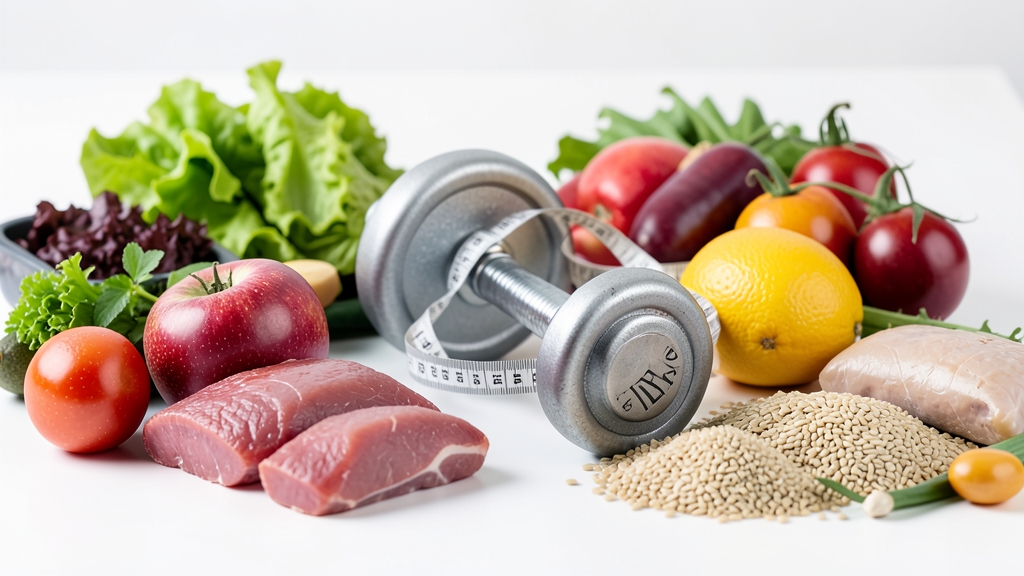
- Example Sources: Focus on eggs, chicken breast, salmon, but also plant-based powerhouses like lentils, chickpeas, tofu, and quark (a type of fresh dairy product, similar to cottage cheese or Greek yogurt).
2. Choose Carbohydrates Wisely: The Insulin Factor
When we eat sugar or white flour, the body releases insulin. Insulin is a storage hormone – as long as insulin levels are high, fat burning is biologically almost impossible.
- Avoid "Empty" Carbs: Soft drinks, white bread, pasta, and pastries cause blood sugar to rollercoaster. The result: intense cravings after just two hours.
- Opt for Complex Carbs: If you eat carbohydrates, choose sources rich in fiber like oatmeal, quinoa, sweet potatoes, or berries. These are digested more slowly and keep blood sugar levels stable.
- The Trick: It's best to eat carbohydrates after exercise, when your muscles can absorb the energy directly instead of storing it in fat cells.
3. Activate Metabolism Through Strength and Interval Training
Hours of slow jogging are okay, but not the fastest way. To kick your metabolism into high gear, you need intensity.
- Strength Training (Resistance Training): Muscles are like small power plants that burn energy around the clock – even when you're on the couch. Twice a week full-body training is completely sufficient to start.
- HIIT (High Intensity Interval Training): Short, extremely intense bursts of activity (e.g., 30-second sprint) followed by short breaks trigger the afterburn effect. Your body consumes more oxygen and calories for hours after the workout.
- Everyday Movement (NEAT): Never underestimate walking. 10,000 steps often burn more calories over the week than two tough gym sessions.
4. Intermittent Fasting: Time Window Instead of Calorie Counting
Intermittent fasting is not a diet plan, but an eating rhythm. The most popular method is 16:8 (16 hours fasting, 8 hours eating).
- Autophagy: After about 14 hours of fasting, the body begins cellular cleansing. Defective cell structures are broken down and recycled.
- Fat Metabolism Training: During the fasting phase, your body learns to efficiently access its own fat stores again, instead of constantly demanding external replenishment (snacks).
- Simplicity: It's often easier to skip breakfast than to eat tiny portions at every meal.
5. Sleep and Regeneration: Where Weight Loss Truly Happens
You can eat and train perfectly – if you're stressed and not sleeping, you'll hardly lose weight.
- Cortisol: Chronic stress increases cortisol levels. Cortisol blocks fat breakdown, especially in the abdominal area.
- Sleep Quality: During deep sleep, growth hormones are released, which control fat burning and muscle repair. The goal should be 7 to 9 hours per night.
- Tip: Try to avoid blue light (smartphone/TV) 2 hours before bed to promote melatonin production.
Your Exclusive 4-Week Program (Copy Template)
Use this structure for your personal success journal. Simply copy the text into a Word document.
| Week / Focus | Nutritional Strategy | Fitness Goal |
|---|---|---|
| Week 1: Detox | Complete avoidance of industrial sugar & white flour. Focus on vegetables & protein. | Daily 8,000 steps + 2x light strength training. |
| Week 2: Rhythm | Introduction of intermittent fasting (16:8). First meal at 12:00 PM. | Increase to 10,000 steps + 2x HIIT (20 min.). |
| Week 3: Optimization | Carbohydrates only after training (post-workout). | 3x strength training (bodyweight or gym). |
| Week 4: Routine | 80/20 Rule: 80% clean eating, 20% flexibility for social events. | Focus on consistency and sleep (min. 7.5h). |
Daily Check-In:
[ ] Drank 2.5 liters of water? [ ] Protein source with every meal? [ ] 10 min. consciously relaxed (meditation/breathing)?
Conclusion: Your Journey Starts Today
Losing weight fast requires discipline, but not hunger. If you follow the biological rules – high protein, stable insulin, increased movement – your body will automatically gravitate towards its healthy weight.
Need a Tandem Partner? It's easier together! On Skill Tandem, you can connect with like-minded people, exchange recipes, or arrange joint workouts. Sign up now and find your fitness buddy!


Als Ernährungsberater kann ich das nur bestätigen! Gerade der Thermic Effect of Food bei Proteinen wird oft unterschätzt, aber der macht wirklich einen Unterschied.