Debt Repayment: Snowball vs. Avalanche Method – Which Strategy is Better?
In short: The Debt Snowball method focuses on quick wins by paying off smaller debts first, while the Debt Avalanche method is mathematically more efficient, targeting debts with the highest interest rates first. The choice largely depends on your personal motivation and the amount of your debt.
Debt can be an overwhelming burden. Many people feel helpless and don't know where to start. However, there are proven strategies to systematically reduce your debt mountain. Two of the most well-known approaches are the Debt Snowball and Debt Avalanche methods. Both have the same goal: to make you debt-free. But they follow different paths and appeal to different psychological needs. Let's take a closer look at these two methods so you can make the best decision for your financial freedom.
1. The Debt Snowball Method
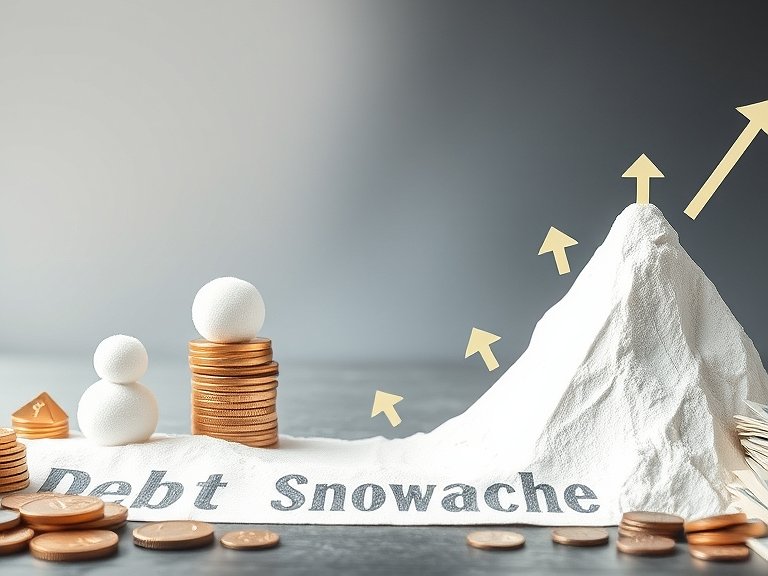
The Debt Snowball method, popularized by financial experts like Dave Ramsey, focuses on giving you psychological motivation through quick successes. Imagine rolling a small snowball down a hill: it gets bigger and bigger as it picks up more snow. That's how it works with your debts.
1.1. How Does It Work?
- List all your debts: Record every single debt, from the smallest credit card bill to an auto loan, noting the outstanding balance and the minimum payment.
- Sort by amount: Arrange your debts from the smallest to the largest sum, regardless of interest rates.
- Pay minimums: Pay only the minimum payment on all debts except the smallest one.
- Focus on the smallest debt: Use the entire additional amount you can put towards debt repayment each month to pay off the smallest debt as quickly as possible.
- The Snowball Effect: Once the smallest debt is paid off, you take the freed-up minimum payment (plus the additional amount) and apply it to the next largest debt. This amount grows like a snowball, causing each subsequent debt to be paid off faster.
Tip: Celebrate every debt you pay off! These small victories are crucial for staying motivated and seeing the process through.
1.2. Advantages of the Debt Snowball Method
- Strong Motivation: The quick successes from paying off small debts give you a sense of progress and keep you engaged.
- Easy to Understand: The method is intuitive and easy to implement, making it attractive to many.
- Psychological Boost: Especially for people who feel overwhelmed by their debts, this approach can bring immense relief.
1.3. Disadvantages of the Debt Snowball Method
- Potentially Higher Interest Costs: Since interest rates are not considered in the sorting, you may end up paying more interest over the entire term than with the Avalanche method.
- Longer Repayment Period: Due to higher interest costs, it may take longer to become debt-free.
2. The Debt Avalanche Method
The Debt Avalanche method is the most mathematically efficient way to pay off debts. It saves you the most money over the entire term by focusing on the most expensive debts first.
2.1. How Does It Work?
- List all your debts: As with the Snowball method, record all debts, amounts, and minimum payments.
- Sort by interest rate: Arrange your debts from the highest to the lowest interest rate.
- Pay minimums: Pay only the minimum payment on all debts except the one with the highest interest rate.
- Focus on the most expensive debt: Use the entire additional amount you can put towards debt repayment each month to pay off the debt with the highest interest rate as quickly as possible.
- The Avalanche Effect: Once the debt with the highest interest rate is paid off, you take the freed-up minimum payment (plus the additional amount) and apply it to the next most expensive debt. Here, too, the amount grows, allowing you to pay off subsequent debts faster and pay less interest.
Important: Even if you don't get rid of small debts as quickly, you'll see your total amount shrink faster due to decreasing interest costs.
2.2. Advantages of the Debt Avalanche Method
- Maximum Interest Savings: You save the most money over the entire term by eliminating the most expensive debts first.
- Shorter Repayment Period: Mathematically, this method will get you debt-free the fastest.
- Efficiency: For rational thinkers who prioritize numbers over emotions, this is the clearly superior approach.
2.3. Disadvantages of the Debt Avalanche Method
- Lower Initial Motivation: If your highest-interest debts are also the largest, it can take a long time to pay off a single debt completely. This can be demotivating.
- Fewer Quick Wins: The psychological boost from quickly paying off small debts is missing here.
Practice Block: Your Personal Debt Checklist
To find out which method is best for you, follow these steps:
- List all your debts: Create a table with the following columns: Debt Name (e.g., Credit Card A, Car Loan), Current Balance, Interest Rate, Minimum Payment.
- Calculate your repayment potential: Determine how much money you can put towards debt repayment each month beyond the minimum payments. Be realistic, but also ambitious.
- Method 1 (Snowball): Sort your list by outstanding balance (smallest first). Imagine how quickly you could get rid of the first 1-2 debts. How would that feel?
- Method 2 (Avalanche): Sort your list by interest rate (highest first). Roughly calculate how much interest you would save over the term. Is this saving more important to you than quick partial successes?
- Reflect on your motivation: Are you someone who needs quick wins to stay on track, or can you focus on long-term financial savings? Be honest with yourself!
3. Snowball vs. Avalanche: Who Is Each Suited For?
The choice between the Snowball and Avalanche methods is often a matter of personality and current financial situation.
3.1. Who the Debt Snowball Method is suitable for:
- People who get easily demotivated: If you find yourself giving up on a plan quickly when you don't see fast results, the Snowball method is ideal.
- Beginners in debt repayment: It's a good starting point to build confidence in your ability to manage your finances.
- Individuals with many small debts: If you have several small liabilities, you can quickly check off several of them.
3.2. Who the Debt Avalanche Method is suitable for:
- Mathematically-minded individuals: If you are rational and your main goal is the greatest possible financial savings.
- Disciplined individuals: If you have the patience to stick with it for longer periods without immediate debt payoffs.
- Individuals with high interest rates: Especially if you have debts with very high interest rates (e.g., credit cards with 15-20% interest), the Avalanche method can save you thousands of euros.
Conclusion: Your Path to Debt Freedom
Whether you choose the Snowball or Avalanche method, the most important thing is to have a strategy and stick to it consistently. Both methods are more effective than simply paying minimums. The Snowball method offers a psychological advantage that keeps you motivated, while the Avalanche method benefits you most financially.
There's no right or wrong, only what works best for you. Start analyzing your debts today and choose the path that leads you most securely and motivatedly to financial freedom.
If you're looking for support in building wealth or creating an effective financial plan, you'll find experienced financial mentors on Skill Tandem (skilltandem.app) who can provide advice and assistance. The platform is completely free – Sign up for free and take control of your financial future!
FAQ: Frequently Asked Questions about Debt Repayment
What is the main difference between the Debt Snowball and Debt Avalanche methods?
The main difference lies in prioritization: The Debt Snowball method prioritizes debts by amount (smallest first) for psychological motivation, while the Debt Avalanche method prioritizes by interest rate (highest first) for maximum interest savings.
Which method will save me the most money?
The Debt Avalanche method typically saves you the most money because it pays off debts with the highest interest rates first, thereby reducing overall interest costs over the term.
Can I combine the methods?
Yes, you can combine elements of both methods. For example, you could start with the Snowball method to quickly pay off a few small debts and build motivation, then switch to the Avalanche method once you feel more confident.
How do I figure out how much extra I can pay towards my debts?
Create a detailed budget listing all your income and expenses. Look for areas where you can save (e.g., reducing dining out, canceling subscriptions). Every euro beyond the minimum payments accelerates your debt repayment.
What should I do if I have very high interest rates on my debts?
For very high-interest debts (e.g., credit cards), the Avalanche method is often the best choice to minimize interest burden. Also, consider whether you can consolidate debts with lower interest rates or utilize a zero-interest balance transfer offer if your credit score allows.




0 Comments
No comments yet. Be the first to write something! 🎉