Stop Procrastinating: Unleash Your Inner Willpower and Achieve Your Goals!
In short: Self-discipline is not a fixed character trait but a trainable skill that, like a muscle, can get fatigued and strengthened. In this article, you'll learn how to build your willpower through conscious strategies and small, consistent exercises to overcome procrastination and achieve your learning and life goals.
Have you ever wondered why some days it's so easy to be productive, while on others you just can't find the motivation to get things done? The answer often lies in the nature of self-discipline – a skill that psychologists and behavioral researchers have long studied. Contrary to popular belief, willpower is not an inexhaustible well but a limited resource that depletes throughout the day. But the good news is: you can train it!
1. The Concept of Willpower Depletion: Why You Sometimes Just Can't Get Started
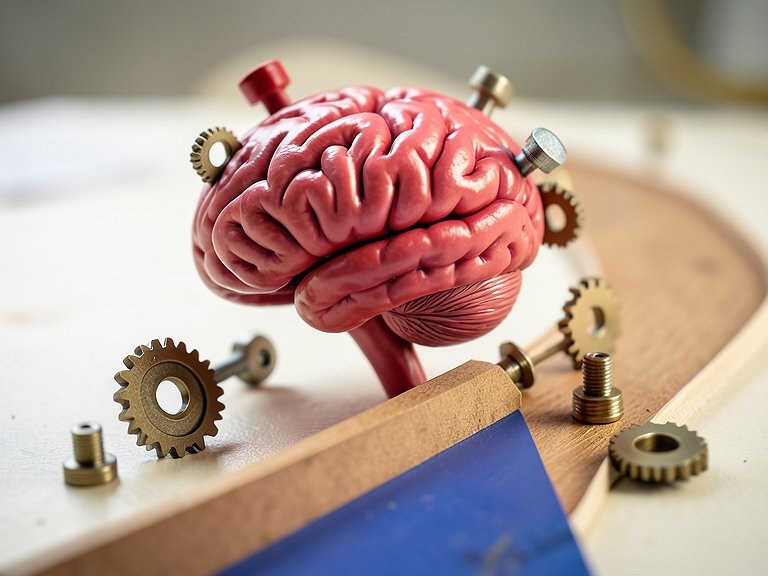
The concept of willpower depletion (ego depletion) was largely popularized by psychologist Roy F. Baumeister and his colleagues. Their research suggests that willpower works like a muscle: the more you use it, the more tired it becomes. Every decision, every distraction you ignore, every temptation you resist – all of these drain your willpower battery.
Imagine you start the day with a full tank of willpower. If you then decide to eat a healthy breakfast instead of grabbing chocolate, resist scrolling through social media, and force yourself to do an unpleasant task at work, you're using up a portion of that tank each time. By the end of the day, when your tank is empty, it's much harder to resist the urge to watch another episode of your favorite show instead of reading the book you intended to.
Important Note: While recent studies have questioned the concept of ego depletion and shown that exhaustion also depends on an individual's belief about whether willpower is limited or not, the practical benefit of viewing willpower as a resource that needs care and training remains.
2. Scientifically-Backed Strategies to Strengthen Your Self-Discipline
There are numerous ways to train this 'muscle' and use your willpower more effectively. Here are some proven methods:
2.1. Build Small, Consistent Habits (Micro-Habits)
Instead of setting huge goals that immediately drain your willpower tank, start with tiny, easily achievable habits. Behavioral researcher B.J. Fogg calls these 'Tiny Habits'. Want to read more? Start with 'I read one sentence every day'. Want to meditate? Start with 'I take one deep breath in and out every morning'. The success of these small steps boosts your self-confidence and slowly builds the muscle of discipline.
2.2. Design Your Environment and Minimize Temptations
The best willpower is the willpower you don't have to use. Design your environment to support your goals and minimize distractions. Want to eat healthier? Don't keep unhealthy snacks at home. Want to work more productively? Turn off notifications and close unnecessary browser tabs. Psychologist Daniel Kahneman would say you're using your 'System 1' (intuitive, fast) here to make work easier for your 'System 2' (rational, slow).
2.3. Clearly Define Goals and Understand the 'Why' Factor
Why do you want to achieve something? A clear understanding of your 'why' is a powerful motivator. When you recognize the meaning behind your efforts, it becomes easier to stay disciplined. Set SMART goals (Specific, Measurable, Achievable, Relevant, Time-bound). Instead of 'I want to learn', say 'I want to complete the first three chapters of the online web development course by the end of the month to improve my career prospects.'
2.4. Track Progress and Plan Rewards
Visible progress is motivating. Use apps like Habitica or simple notebooks to log your habits and successes. Reward yourself for reaching milestones – but choose rewards that don't contradict your goals. A short break, a good book, or meeting friends can work wonders.
2.5. Mindfulness and Stress Management
Stress and exhaustion are the biggest enemies of self-discipline. When you're stressed, your brain is more likely to revert to old, comfortable patterns. Practice mindfulness to better observe your thoughts and feelings and avoid impulsive reactions. Techniques like meditation or short breathing exercises can help you recharge your willpower battery.
Your 7-Day Willpower Booster: A Practical Exercise
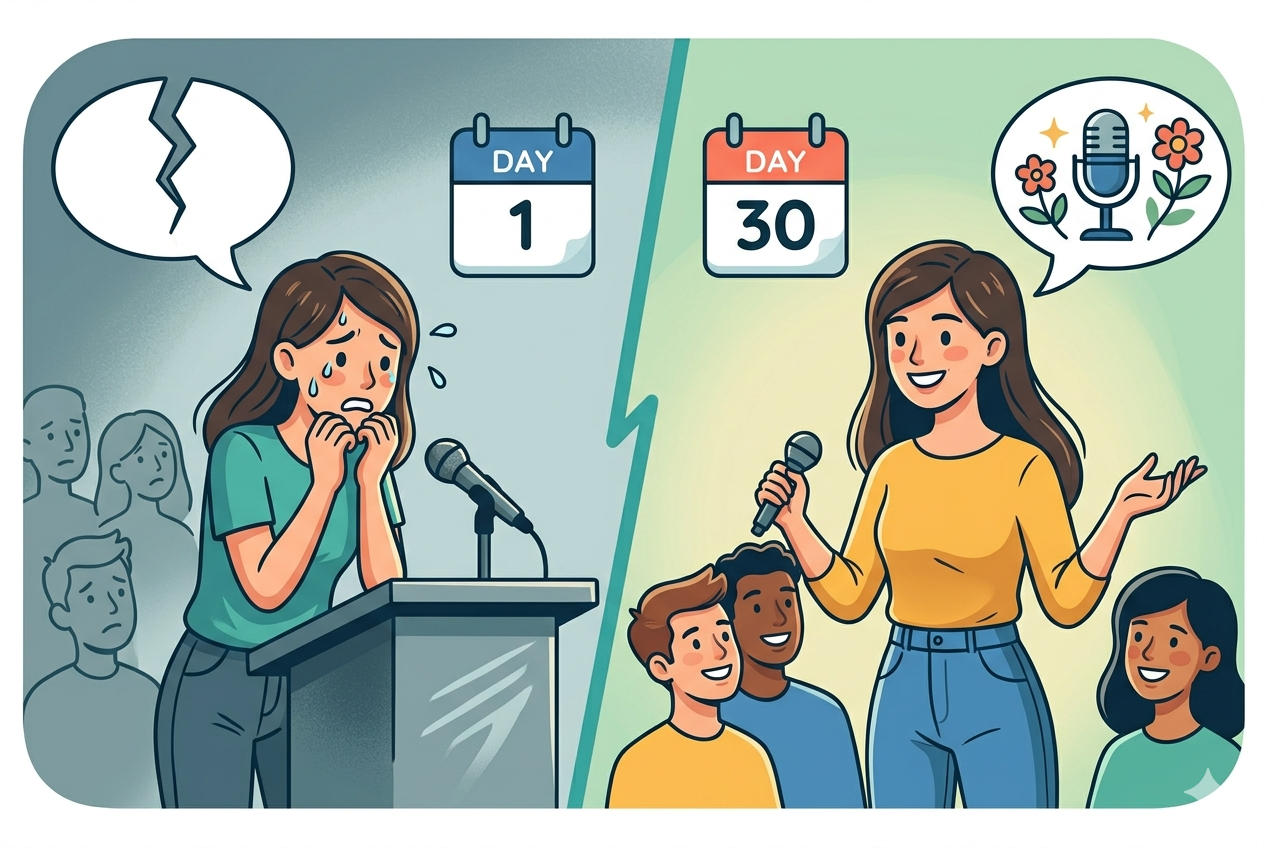
This exercise will help you gradually strengthen your self-discipline. Choose a small task you've been putting off for a long time or a new habit you want to establish. It should be something that takes a maximum of 5-10 minutes per day.
- Day 1: Identify Your Challenge. Choose a single, small thing you want to do consistently (e.g., 5 minutes of Spanish learning, 10 push-ups, writing 200 words).
- Day 2: Optimize Your Environment. Prepare everything you need and eliminate distractions. Get your Spanish book ready, put on workout clothes, close social media.
- Day 3: The 5-Minute Rule. Commit to doing your task for just 5 minutes. Often, you'll find you want to continue afterwards. Even if not, you've achieved your goal.
- Day 4: Track Your Progress. Mark the day as 'done' in a calendar or app. Visualize your streak of success.
- Day 5: Strengthen Your 'Why'. Remind yourself of the deeper reason why you want to establish this habit. What are the long-term benefits?
- Day 6: Overcome Resistance. If you don't feel like it, remember Day 3: just 5 minutes. Overcome inner resistance with this small commitment.
- Day 7: Reflect and Reward. Evaluate your week. What worked well? Where were the difficulties? Treat yourself to a small, meaningful reward for your consistency.
3. The Role of Social Learning and Accountability
Self-discipline doesn't always have to be a lonely battle. In fact, studies show that social learning and commitment to others can significantly boost our motivation and perseverance. When you know someone is counting on you or pursuing a goal with you, you're much more likely to stick with it.
3.1. Mentoring and Learning Partnerships
A mentor can not only provide expertise but also serve as a role model for discipline and perseverance. A learning partner offers mutual commitment and support. You can motivate each other, share progress, and encourage each other during difficult moments.
3.2. Defeat Procrastination Together
Procrastination is often a result of a lack of willpower or feeling overwhelmed. A learning partner helps overcome these hurdles by jointly creating study plans, reminding each other of deadlines, and celebrating each other's successes. The social component reduces feelings of isolation and makes the learning process more enjoyable and effective.
Conclusion: Your Willpower is Malleable – Use It!
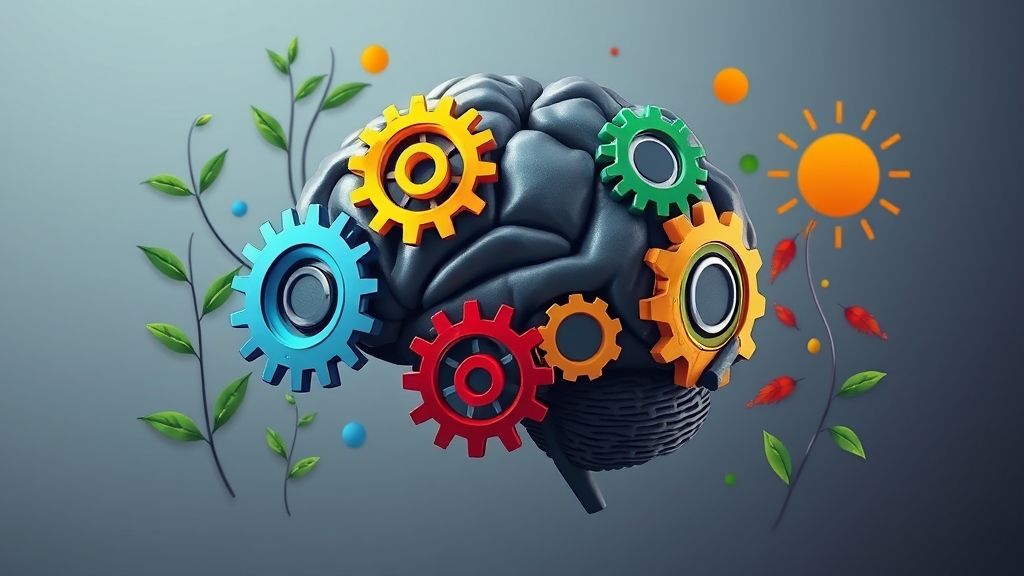
Self-discipline is not a magical gift, but a skill that each of us can develop and strengthen. By understanding the principles of willpower depletion, establishing small habits, optimizing your environment, and leveraging the power of social support, you can pursue your goals more effectively and lead a more fulfilling life. It's a marathon, not a sprint, but every small step counts.
Ready to take your self-discipline to the next level? On Skill Tandem (skilltandem.app), you can find learning partners and mentors for free who will support you on your journey. Together, it's easier to stay on track and strengthen your willpower. Find your match now and conquer procrastination!
FAQ: Frequently Asked Questions about Training Self-Discipline
What is the most important tip for building self-discipline?
The most important tip is to start small. Instead of overwhelming yourself with huge goals, choose tiny, easily achievable habits you can repeat daily. Consistency in small steps sustainably builds the willpower muscle.
How long does it take to gain more self-discipline?
The time it takes to build self-discipline varies greatly from person to person and depends on the type of habit. Studies show it takes an average of 66 days for a new habit to become automatic. The key is to persevere and view setbacks as part of the process.
Can you really 'run out' of willpower?
Yes, the concept of 'ego depletion' suggests that willpower is a limited resource that depletes throughout the day. Every decision and resistance to temptation drains it. However, you can recharge your 'battery' through breaks, healthy eating, and sufficient sleep.
What role does nutrition play in self-discipline?
A balanced diet is crucial for brain function and thus for willpower. Stable blood sugar levels, in particular, help maintain energy and focus. Sugar crashes can weaken willpower and promote cravings for quick rewards.
How does a learning partner help with self-discipline?
A learning partner provides mutual accountability and motivation. When you commit to someone, you are more likely to achieve your goals. You can support each other, share progress, and encourage each other during difficult moments, which distributes the burden of self-discipline.
0 Comments
No comments yet. Be the first to write something! 🎉