Why Learning Works Better Together – But Is That Really True?
Many know the feeling: you enthusiastically set out to learn something new – a new language, an instrument, a skill – and after two weeks, it's all tucked away in a drawer again. So, the big question is:
Would we learn more consistently if we didn't try it alone?
In short: Yes. And for several reasons that have less to do with discipline and more with psychology. Learning is not just a knowledge process, but also a social one – and that's where the magic lies.
1. Learning Together Boosts Motivation
Our brains love social cues. When we know someone is waiting for us, our chances of actually showing up increase – whether online or in person.
- Commitment rises when others are counting on you
- Regular joint sessions prevent “I'll do it tomorrow” moments
- The learning journey feels less lonely
You don't have to be perfect – you just have to start together.
2. Accountability: The Quiet Little Superpower Word
“Accountability” sounds like a business workshop, but it makes a huge difference in everyday life. It means: someone knows what you've set out to do – and checks in on you.
- You're more likely to stick with it if someone knows your progress
- You set more realistic goals
- You realize faster when you need help
Fun Fact: We overestimate how disciplined we are alone – and underestimate how helpful it is to have someone accompany us.
3. Community Fosters True Understanding
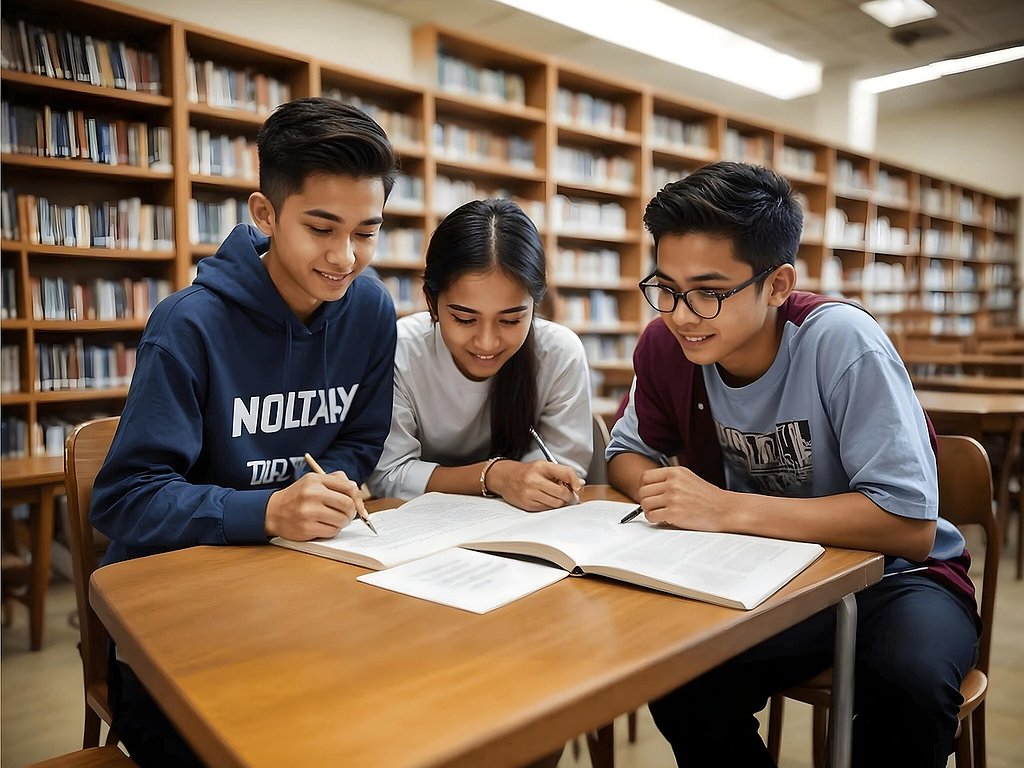
Those who learn together, learn differently. Not just faster, but also deeper. A shared exchange helps to identify learning gaps and gain new perspectives.
- You explain things and thereby understand them better yourself
- You get practical examples, not just from a textbook
- You discover shortcuts that others already know
Learning doesn't remain a monologue – it becomes a dialogue.
4. Emotions Play a Bigger Role Than We Think
Learning is not a purely rational process. Good mood, humor, and small moments of success act like a turbo boost for our memory. And precisely these feelings arise more easily when we are not alone.
- Shared laughter reduces stress
- Successes feel greater
- Mistakes seem less severe
Or in other words: With people, you learn faster – and stay on track better.
5. Peer Learning Is More Natural Than Textbooks Ever Were
In the past, we learned skills in everyday life: from neighbors, family, colleagues. Today, this is called “peer learning” – and that's exactly what makes platforms like Skill Tandem so valuable.
- Learning at eye level instead of “teacher above, learners below”
- Practical, flexible, and realistic
- You don't just learn one thing, but also get to know people
Studies show: What we learn in social situations sticks longer.
Conclusion: Learning Together Is Not a Trend, But a Core Principle
Whether it's a language, skill, or hobby – learning together helps us progress. Not because of magical methods, but because we humans are social beings.
So, if you want to start something new in 2026, find someone who wants to go down the same path. You'll be surprised how much easier it suddenly becomes.
And if you can't find anyone in your immediate vicinity: With Skill Tandem, you'll find someone who wants to learn exactly the same thing as you.




Das kenn ich total! Ich lerne gerade Spanisch mit einer Freundin und allein die Verabredung jede Woche pusht mich total. Ohne sie würde ich es safe wieder schleifen lassen 😄