Ready to take your training results to the next level?
In short: Optimizing your nutrition is the key to maximum training success and faster recovery. In this article, you will learn how to strategically use your macro- and micronutrients, time your meals, and master hydration to efficiently achieve your fitness goals.
1. Understand the Basics: Macros, Micros, and Calories
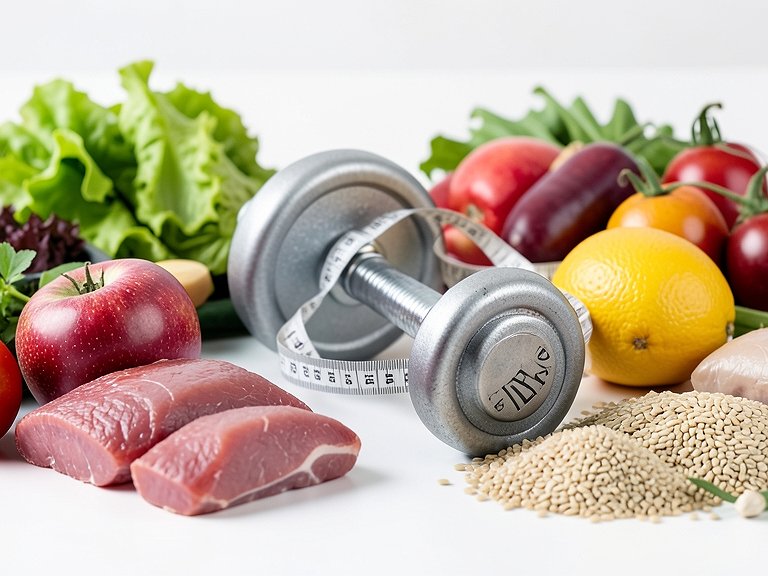
Before diving into details, it's crucial to understand the fundamentals. Your diet consists of macronutrients (proteins, carbohydrates, fats), micronutrients (vitamins, minerals), and water. All play a specific role in your performance and recovery.
1.1. Calorie Balance: Your Starting Point
Whether it's muscle building or fat loss – everything starts with your calorie balance. To build muscle, you need a slight calorie surplus. For fat loss, a calorie deficit is necessary. Your individual needs depend on age, gender, activity level, and goals. Use online calculators or nutrition counseling to determine your basal metabolic rate and total energy expenditure.
Tip: Start with an estimate and adjust your calorie intake based on your progress. A food diary for a few days can help you get a feel for your current intake.
1.2. Macronutrients: The Building Blocks of Your Success
The correct distribution of proteins, carbohydrates, and fats is crucial:
- Proteins (approx. 1.6-2.2g per kg body weight): Essential for muscle growth and repair. Good sources include lean meat, fish, eggs, dairy products, legumes, and tofu.
- Carbohydrates (approx. 3-5g per kg body weight, depending on activity): Your primary energy source. Choose complex carbohydrates like whole grains, oats, rice, potatoes, and fruits for sustained energy.
- Fats (approx. 0.8-1g per kg body weight): Important for hormone production, nutrient absorption, and overall health. Focus on healthy fats from avocados, nuts, seeds, olive oil, and fatty fish.
1.3. Micronutrients: The Silent Heroes
Vitamins and minerals are needed in smaller amounts but are indispensable for metabolic processes, immune function, and energy production. A colorful variety of fruits and vegetables ensures you get adequate supply.
2. Timing is Everything: Meals Around Your Workout
When you eat can be just as important as what you eat. Proper timing optimizes energy levels, performance, and recovery.
2.1. Pre-Workout: Fueling Up
About 1-3 hours before your workout, you should consume a meal rich in complex carbohydrates and moderate in protein, but low in fat and fiber to avoid digestive issues.
Example: A banana with a handful of almonds, oatmeal with berries, or whole-wheat toast with turkey breast.
2.2. During Workout: Hydration and Quick Energy
For most workouts (under 60 minutes), water is sufficient. For longer or more intense sessions, electrolyte drinks or a small amount of fast-acting carbohydrates (e.g., dates, gel) can be beneficial to maintain performance.
2.3. Post-Workout: Accelerating Recovery
Within 30-60 minutes after your workout, your body is particularly receptive to nutrients. A combination of proteins and carbohydrates helps replenish glycogen stores and promote muscle repair.
Example: A protein shake with a banana, chicken with rice and vegetables, or quark with fruits.
3. Hydration: The Often Underestimated Factor
Water is not just a thirst quencher but an essential building block for every bodily function. Dehydration can drastically reduce your performance, promote fatigue, and hinder recovery.
- Fluid intake: Aim for at least 2-3 liters of water per day, more during intense training or high temperatures.
- Indicators: Pay attention to the color of your urine – light yellow is ideal. Thirst is already a sign of mild dehydration.
- Electrolytes: During heavy sweating, electrolyte drinks or coconut water can help replenish minerals.
4. Specific Goals: Adjustments for Muscle Building and Fat Loss
While the basics remain the same, there are subtle differences in nutritional strategy depending on your goal.
4.1. Nutrition for Muscle Building
Focus on a slight calorie surplus (approx. 200-500 kcal above your maintenance needs) and a high protein intake. Distribute protein evenly throughout the day to ensure a constant supply. Higher carbohydrate intake supports intense training sessions and glycogen replenishment.
4.2. Nutrition for Fat Loss
Here, a moderate calorie deficit is crucial (approx. 300-500 kcal below your maintenance needs). Keep protein intake high to minimize muscle loss and promote satiety. Reduce carbohydrates and fats moderately, but not extremely. Eat fiber-rich foods to stay full.
Your 7-Day Nutrition Plan for Optimal Training Success
This sample plan helps you put the principles into practice. Adapt it to your preferences and needs!
- Day 1 (Muscle Building Focus):
Breakfast: Oatmeal with protein, berries, and nuts.
Lunch: Chicken breast with quinoa and plenty of vegetables.
Dinner: Salmon with sweet potatoes and broccoli.
Snacks: Greek yogurt, rice cakes with peanut butter. - Day 2 (Fat Loss Focus):
Breakfast: Scrambled eggs with spinach and whole-wheat toast.
Lunch: Large salad with tuna or tofu and light vinaigrette.
Dinner: Lean beef with plenty of green vegetables.
Snacks: Vegetable sticks with hummus, protein shake. - Day 3 (Endurance Focus):
Breakfast: Muesli with milk/plant-based drink, banana.
Lunch: Lentil pasta with tomato sauce and Parmesan.
Dinner: Whole-wheat wrap with chicken, avocado, and salad.
Snacks: Fruit, energy bar. - Days 4-7: Vary the meals from the first three days to ensure variety and cover all nutrients. Focus on sufficient protein with each meal and plenty of vegetables.
- Hydration: Drink at least 2-3 liters of water daily. Always have a water bottle handy.
- Pre- & Post-Workout: Plan your meals 1-3 hours before and within 60 minutes after your workout, as described above.
Conclusion: Your Nutrition as the Foundation for Success
Optimizing your nutrition is not a sprint, but a marathon. It's about developing sustainable habits that support your training goals and promote your health. Experiment, listen to your body, and stay consistent. The results will be evident not only in your performance but also in your overall well-being.
Sometimes it also helps to connect with like-minded individuals or find a training partner who shares similar nutritional goals. On Skill Tandem (skilltandem.app), you can find training partners and sports buddies for free to motivate each other and stay on track together. Sign up for free now and start your journey to maximum training success!
FAQ: Frequently Asked Questions about Nutrition for Training Success
Can I build muscle and lose fat at the same time?
Yes, it is possible, especially for beginners or individuals returning to training after a break. However, it requires precise calorie and macronutrient control – often a slight calorie deficit with high protein intake and intense strength training.
Which supplements are actually useful?
For most people, a balanced diet is sufficient. Useful supplements can include protein shakes (if protein intake is insufficient), creatine (for strength and muscle growth), Vitamin D (especially in winter), and Omega-3 fatty acids. Always discuss this with a doctor or nutritionist.
How important is meal timing really?
Timing is important, but not as crucial as your total daily calorie and macronutrient intake. First, focus on a consistent, nutrient-rich diet. Once this foundation is established, timing can help extract the last few percentage points of performance and recovery.
Should I completely cut out carbohydrates to lose fat?
No, this is generally not recommended for long-term training success. Carbohydrates are your primary energy source for intense workouts. A moderate reduction can be beneficial, but completely eliminating them can lead to performance loss and cravings. Choose complex carbohydrates instead.
How long does it take to see results?
This depends on many factors, including your starting point, the consistency of your training, and your diet. Initial changes in energy levels and well-being can appear within a few weeks. Visible physical changes usually take several months.



0 Comments
No comments yet. Be the first to write something! 🎉