
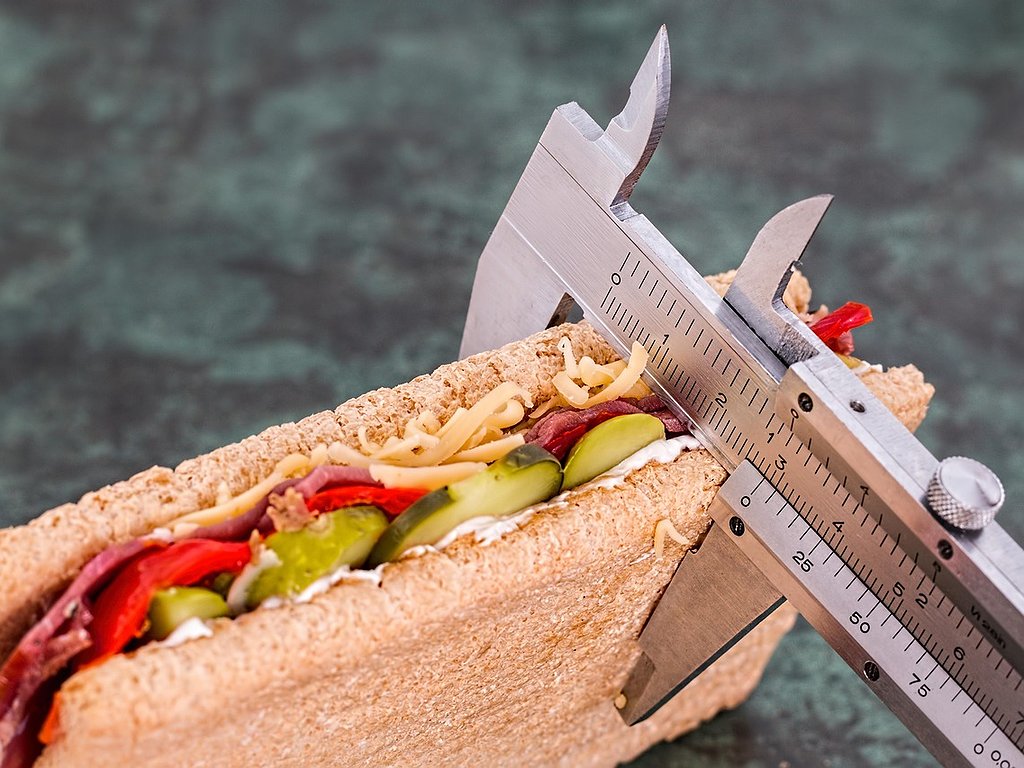
How to Lose Weight Fast? An Honest and Healthy Guide
The desire to lose weight quickly is widespread – whether for a special event, improved well-being, or a fresh start in everyday life.
However, many myths circulate when it comes to weight loss: crash diets, miracle pills, or radical deprivation plans promise quick success but often lead to the yo-yo effect or health problems.
In this article, you will learn how to lose weight as quickly as possible, yet still healthily – realistically, sustainably, and without self-torment.
1. What Does “Losing Weight Fast” Really Mean?
Losing weight fast doesn't mean losing an extreme amount of weight in just a few days. A healthy guideline is:
- 0.5–1 kg per week
- without muscle loss
- without nutrient deficiencies
Anything beyond that is usually water loss or short-term – and rarely permanent.
2. Calorie Deficit: The Unavoidable Foundation
Weight loss only works if your body expends more energy than it consumes through food.
Important points:
- Moderate deficit instead of radical starvation
- Sufficient protein for muscle preservation
- Nutrient-rich foods instead of empty calories
Starvation slows down metabolism – smart eating speeds it up.
3. Nutrition: Simple, Protein-Rich, Unprocessed
If you want to lose weight fast, your diet is crucial. It's less about deprivation and more about smart choices.
Foods that help:
- Lean protein (eggs, yogurt, legumes, fish)
- Plenty of vegetables and fiber-rich foods
- Complex carbohydrates in moderate amounts
- Healthy fats in small portions
Highly processed products, sugar, and liquid calories significantly hinder weight loss success.
4. Exercise: Burn More Without Hours of Training
You don't have to go to the gym every day to lose weight fast. Everyday movement often makes the biggest difference.
Effective options:
- Daily walks (8,000–10,000 steps)
- Strength training 2–3 times per week
- Short, intense sessions (e.g., interval training)
- Stairs instead of the elevator
Strength training, in particular, is important to preserve muscles and keep your basal metabolic rate high.
5. Sleep & Stress: The Underestimated Weight Loss Factors
Too little sleep and high stress make weight loss significantly harder.
Why?
- Hunger hormones become unbalanced
- Cravings increase
- Fat breakdown is inhibited
7–8 hours of sleep and conscious recovery are not a luxury but part of a successful weight loss plan.
6. Fast Results Without the Yo-Yo Effect
Those who want to lose weight fast should still think long-term.
What helps:
- No prohibitions, but flexible rules
- Consciously plan for favorite foods
- Measure progress (not just on the scale)
- Patience with setbacks
A short-term plan without a long-term strategy almost always leads back to the starting point.
7. Motivation & Exchange
Losing weight is often easier for many if they can exchange ideas and motivate each other. Conversations, shared goals, or simply sharing experiences help to stay on track.
Some use communities or platforms like Skill Tandem to discuss habits, routines, or personal goals – motivation often arises together.
8. Common Mistakes When Losing Weight Fast
- Eating too little: Leads to fatigue & cravings
- Only cardio: Muscle loss slows down metabolism
- Changing everything at once: Overwhelm instead of success
- Impatience: Sustainable changes take time
Conclusion: Losing Weight Fast Is Possible – With a Healthy Approach
Losing weight fast doesn't mean harming your body. With a moderate calorie deficit, smart nutrition, exercise, and sufficient sleep, visible results are possible – without the yo-yo effect.
The most important points:
- Realistic expectations
- Protein-rich, simple nutrition
- Everyday movement + strength training
- Sleep & stress management
- Patience and consistency
Those who lose weight healthily benefit more in the long run – physically and mentally.
FAQ: Frequently Asked Questions
How quickly can you lose weight healthily?
About 0.5–1 kg per week is considered healthy and sustainable.
Are crash diets advisable?
No. They usually lead to muscle loss, nutrient deficiencies, and the yo-yo effect.
Do I have to completely cut out carbohydrates?
No. Quantity, quality, and timing are crucial – not complete abstinence.


Finde den Artikel echt super und die Tipps sind auch total praktisch. Das mit dem moderaten Defizit ist ein guter Punkt!