
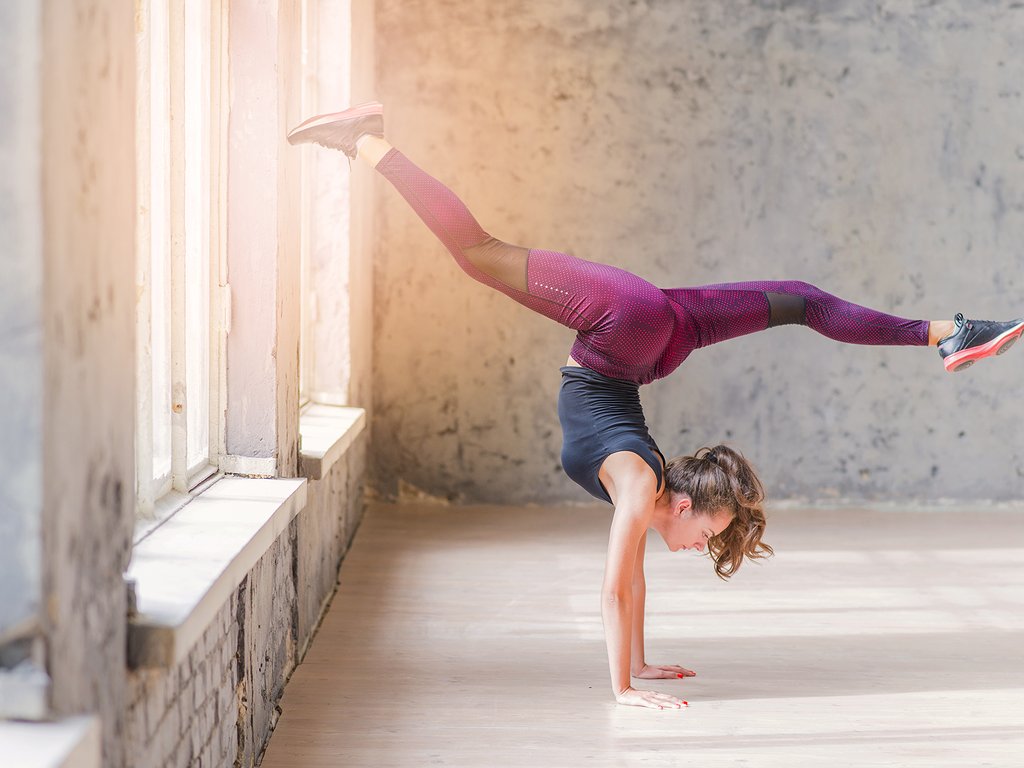
How to Learn the Splits: A Safe and Effective Guide for Beginners
Learning the splits is a goal that fascinates many people: it symbolizes flexibility, body control, and elegance. Yet, a persistent myth remains: “You have to be born especially flexible for the splits.”
Good news: That’s not true. Flexibility can be trained – for almost everyone. With the right technique, regular practice, and a little patience, you too can achieve the splits at your own pace.
Some people train in classes, others with friends or training partners. Some use platforms like Skill Tandem to find people with whom they can motivate each other.
1. What Types of Splits Are There?
Before you start, it’s helpful to know that there are different variations:
- Front Split – one leg forward, one leg back
- Middle Split (Side Split) – legs extended to the left and right
- Oversplits – extreme variations (for advanced practitioners)
Most people start with the front split, as it is technically easier to achieve.
2. Warm-up: No Safe Splits Without Warming Up
Your body stretches best when it’s warm. A targeted warm-up protects you from strains and improves your stretching ability.
Recommended Warm-up (5–8 minutes):
- Light jogging or jumping jacks – 1 minute
- Hip circles – 20–30 seconds
- Leg swings – 10–15 per side
- Cat-cow movement – 10 repetitions
With a good warm-up, stretching feels significantly more comfortable.
3. Flexibility Fundamentals: These Areas Need Stretching
The splits don't require “overall flexibility” but specific muscles:
- Hip flexors (front leg in the split)
- Hamstrings (back leg)
- Gluteal muscles
- Inner thighs (for middle split)
If you specifically train these areas, you will quickly notice progress.
4. The Best Stretching Exercises for the Front Split
4.1. Lunge Stretch
This exercise stretches the hip flexor – crucial for the front part of the split.
- Step one leg forward, sink deep into a lunge
- Gently push your hips down
- Hold for 20–30 seconds, switch sides
4.2. Hamstring Stretch
For the back leg, you need length in your hamstrings.
- Sit with one leg extended forward
- Bend your upper body forward
- Hold for 20–30 seconds
4.3. Half Split Pose
A perfect transitional exercise between stretching and the full split.
- Front leg straight, back knee on the floor
- Push hips back, flex toes
- 30 seconds per side
4.4. Low Lunge with Straight Back Leg
This variation lengthens the entire front of the hip and prepares you for the full position.
5. Step-by-Step into the Splits
Now you combine all the preparatory exercises. Here’s how to work your way into the splits in a controlled manner:
- Start in a half split
- Slowly slide your heels further apart
- Keep your back straight and your hips facing forward
- Go only as deep as your body allows
- Breathe calmly and relaxed
Important: The splits are a process. Don't force anything – pain is a warning sign.
6. How Often Should You Train?
Consistency is the biggest success factor when learning the splits.
- 2–4 training sessions per week are ideal
- 10–15 minutes each is completely sufficient
- Don't skip the warm-up!
You will notice significant progress after just a few weeks.
7. Common Splits Mistakes – And How to Avoid Them
- Forcing instead of relaxing: Stretching should feel like a pull, but never pain.
- Going too deep too quickly: Patience is more important than speed.
- Rounded back: Leads to improper strain – keep your chest open.
- Irregular training: Better short & often than rarely & intensely.
Small steps lead to great success here.
8. Yoga, Pilates & Mobility Training as a Turbo Boost
The splits require not only flexibility but also stability. Yoga and Pilates strengthen your core, hips, and balance – perfect complements to stretching.
Particularly helpful are:
- Yoga poses like Pigeon, Lizard, or Half Split
- Mobility drills for hips & legs
- Core exercises for stabilization
Conclusion: Anyone Can Learn the Splits – With Patience and the Right Technique
The splits are not a talent, but a training goal. Through regular stretching, proper warm-up, and targeted exercises, you will become more flexible step by step.
Listen to your body, enjoy the process, and be happy about every small improvement. Flexibility comes from repetition – not perfection.
FAQ: Frequently Asked Questions About the Splits
How long does it take to be able to do the splits?
That depends on your initial flexibility. Many people achieve noticeable results after 4–8 weeks.
Can everyone learn the splits?
Yes – most people can achieve the splits as long as they stretch regularly and pay attention to their body.
How long should you hold a stretch?
20–40 seconds per stretch is optimal for progress without overexertion.



Ich plane meine Dehnübungen immer fest in den Kalender ein, sonst schieb ich es nur auf. So klappts viel besser! 💪