Introduction
In today's fast-paced world, Artificial Intelligence (AI) is a hotly debated topic. Many believe that AI will revolutionize our work lives by increasing efficiency and saving time. However, a new study challenges this assumption: while AI might save you 3% of your time, it can simultaneously steal 100% of your break time. What lies behind these numbers? Let’s explore the findings of a comprehensive investigation.
In short: A new study shows that AI can increase work efficiency by 3%, but it leads to a complete elimination of breaks. In this article, you'll learn how this can affect your work life and what steps you should take to find a healthy balance.
1. The Study in Detail
The study, which included over 25,000 participants, was conducted by an international research team. It examined how the use of AI-powered tools in various industries affected productivity and break usage. Participants worked in different professions, from IT to marketing to manufacturing. The results were surprising and raise questions about the long-term impacts of AI on our ways of working.
1.1. Methodology of the Study
The researchers used a mixed methodology that included both qualitative and quantitative data. Participants were divided into two groups: one group used AI tools, while the other worked traditionally. Over a six-month period, both productivity and break times were measured.
1.2. Results of the Study
The study's findings showed that the group using AI tools completed their tasks an average of 3% faster. However, this group also reported a 100% reduction in their break times. Participants noted an increased pressure to remain constantly available, leading to higher stress and burnout levels.
1.3. Case Studies and Examples
One specific case study within the research focused on a company in the finance sector that introduced AI-powered analytics. Employees who previously took regular breaks found themselves in a work environment where they felt compelled to be constantly available. This led to a 20% increase in sick leave compared to the previous year and a significant decline in employee satisfaction. Such examples highlight the importance of closely monitoring and managing the impacts of AI implementations.
2. The Myth of Efficiency
It is widely believed that more efficiency equates to more productivity. However, the reality is more complex. While the use of AI can increase the speed at which tasks are completed, it often comes at the cost of mental health and employee well-being.
2.1. Efficiency vs. Well-being
The study shows that while efficiency is increased, employee well-being suffers. Constant availability and the pressure to skip breaks can lead to serious mental health issues. This raises a critical question: is it really worth it to increase efficiency at any cost? A survey shows that 60% of employees who experience high stress report their efficiency as low, regardless of how many technologies they use.
2.2. The Role of Breaks
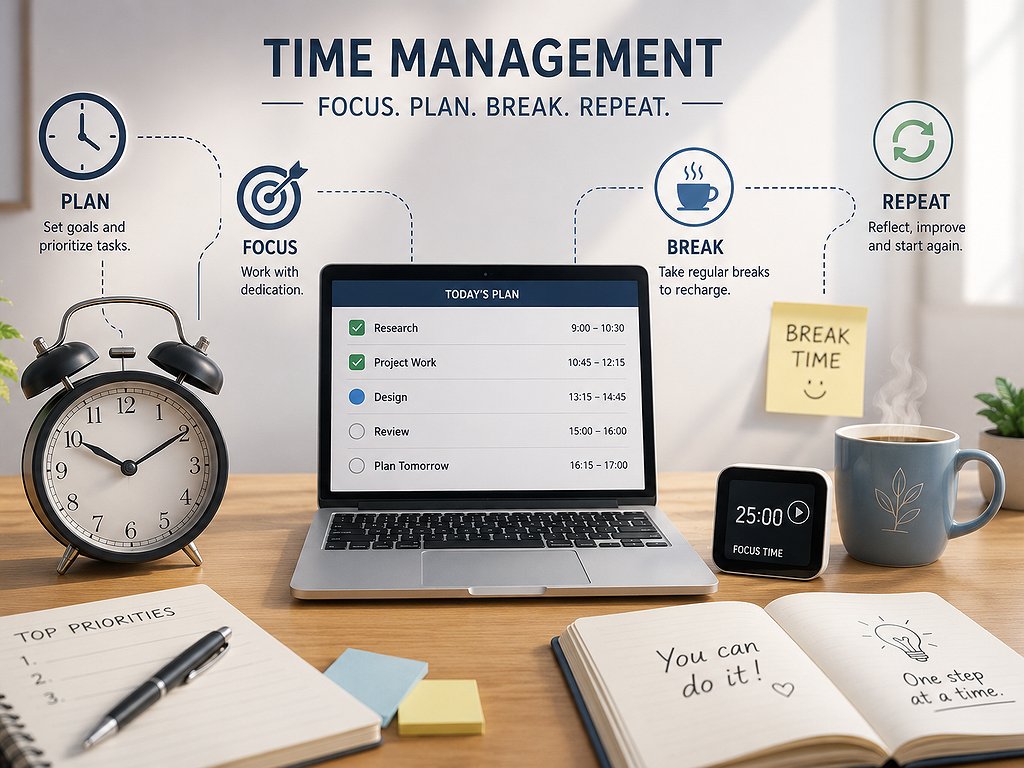
Breaks are not merely downtime; they play a crucial role in enhancing creativity and productivity. Studies have shown that regular breaks help improve concentration and promote mental health. A study by the University of Illinois found that taking 10-minute breaks every 50 minutes significantly boosts productivity. Additionally, a study by Draugiem Group indicated that the most productive employees take a 17-minute break every 52 minutes. These data points illustrate that completely eliminating breaks can be counterproductive in the long run.
3. The Impact on the Workplace
The results of the study have far-reaching consequences for how workplaces are structured in the future. Companies must consider how to implement AI in ways that do not compromise employee well-being.
3.1. The Need for a Paradigm Shift
A paradigm shift is necessary. Companies should not only focus on efficiency but also prioritize the health and well-being of their employees. Flexible working hours, regular breaks, and a healthy work environment are essential. A Gallup poll indicates that companies prioritizing employee well-being show a 21% increase in productivity. For example, a well-known IT company was able to increase employee satisfaction by 30% through the introduction of flexible working hours and regular team breaks.
3.2. Recommendations for Companies
- Encourage regular breaks: Implement a culture that supports regular breaks. A study by DeskTime has shown that the most productive employees take a 17-minute break every 52 minutes.
- Health-promoting measures: Offer stress management and health promotion programs. This could also include seminars on working effectively with AI tools.
- Solicit feedback: Ask employees about their experiences with AI tools and how they impact their work.
- Transparent communication: Ensure that all employees are clearly informed about expectations and goals.
4. Tips for Balancing Efficiency and Breaks
Practical Tips for Balance
Here are some practical tips on how to find a balance between efficiency and breaks:
- Schedule your breaks: Set specific times for breaks in your calendar to ensure you adhere to them.
- Use technology wisely: Utilize AI tools to complete tasks efficiently but set clear boundaries for their use. For example, you might refrain from using AI applications after a certain hour.
- Reflect on your needs: Consider what types of breaks help you recharge the most. Perhaps short walks or meditation exercises work best for you.
- Create a positive work environment: Foster a company culture that values breaks and does not view them as a waste of time.
- Encourage movement: Promote activities such as walks during breaks to clear your mind. This could also be done as part of team events.
5. Common Mistakes in Dealing with AI in the Workplace
In dealing with AI, it is easy to make mistakes that can negatively impact both efficiency and employee well-being. Here are some common pitfalls:
- Over-reliance on AI: If employees become overly dependent on AI tools, it can stifle their own skills and creativity. For example, a marketing team that relies solely on AI-generated content found that employee creativity stagnated.
- Lack of training: Without proper training in using AI tools, employees might feel overwhelmed and stressed. A survey revealed that 45% of employees felt they had not received enough support from their companies to use AI effectively.
- Insufficient feedback culture: If companies do not listen to their employees' experiences, important improvement potentials remain untapped. An example would be a company that continued using a specific AI tool despite negative employee feedback, leading to high turnover rates.
6. Conclusion: A Balanced Work Life is Essential
In conclusion, the use of AI in the workplace brings both advantages and disadvantages. While efficiency is increased, it is vital not to overlook mental health and employee well-being. By promoting a culture that values breaks, companies can cultivate productive and satisfied employees in the long run.
Skill Tandem (skilltandem.app) is a completely free platform where you can find a suitable learning partner or mentor. Sign up for free.
FAQ: Frequently Asked Questions about AI and Breaks
What are the benefits of breaks at work?
Breaks can enhance concentration and productivity, reduce stress, and promote overall well-being. Studies have shown that employees who take regular breaks report 25% higher job satisfaction.
How can I integrate regular breaks into my work routine?
Schedule specific times for breaks and use technology to set reminders to take breaks. Apps like "Focus@Will" or "Pomodoro Timer" can help structure your workday.
What are the risks of Artificial Intelligence in the workplace?
Risks include increased stress, pressure to remain constantly available, and potential negative impacts on mental health. A study by McKinsey found that 34% of employees reported feeling under pressure to be constantly available.
How can I promote a healthy work environment?
Create a company culture that values breaks and offer health promotion programs, including training on stress management and effective use of AI.
What role does communication play in working with AI?
Transparent communication about expectations and goals is crucial to avoid misunderstandings and foster a positive work atmosphere. Regular meetings to discuss the use of AI tools can help involve employees in the process and address concerns early.
Ich frag mich, ob die 3% Zeitersparnis wirklich so relevant sind, wenn man dafür die Pausen komplett opfert.