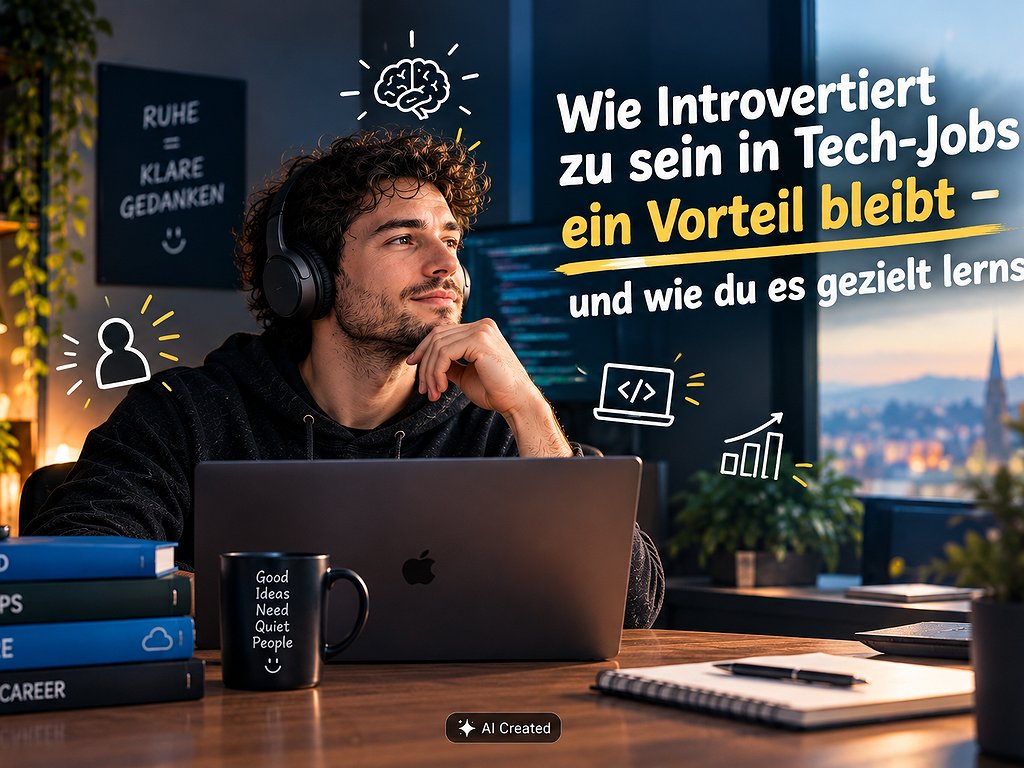
Introduction: Why Introversion Is a Strength in Tech
Short answer: Introversion supports deep focus, careful analysis, and strong written communication, all invaluable in tech roles. This article explains how to harness those strengths with practical workflows, learning methods, and visibility strategies tailored for quieter professionals.
Many tech disciplines—software engineering, data science, infrastructure—rely on prolonged concentration and detailed thinking. Introverts typically excel in these environments but may struggle with traditional networking and visibility. This guide offers concrete steps: meeting tactics, async communication patterns, learning routines, and small‑scale self‑promotion techniques that fit introverted preferences.
We also show how to use skill‑sharing and mentorship to accelerate growth without forcing extroverted behavior. The aim is to make your quiet strengths visible and valuable in sustainable ways.
1. Why Introversion Aligns with Tech Work
Introverted professionals often bring attributes that match technical work: preference for depth, patience in debugging, and an inclination for written expression. These traits reduce mistakes and lead to more robust solutions in complex systems.
Modern engineering workflows favor asynchronous tools—tickets, pull requests, documentation—where thoughtfulness and clarity win. If you excel at written explanations, your influence can grow without shouting in meetings.
Research on productivity and flow states shows that extended focus boosts output quality. Introverts are predisposed to creating such conditions, which makes them especially effective in roles that require sustained attention.
2. Common Challenges and Direct Fixes
Introverts often face recurring issues: being overlooked in meetings, draining networking experiences, or difficulty promoting their work. These are solvable with targeted tactics rather than personality changes.
Challenge: Being interrupted or ignored in meetings. Fix: Prepare a short written note beforehand and post it in the meeting chat or in a pre‑meeting doc. This establishes your points early and gives moderators a cue to address them.
Challenge: Networking leaves you exhausted. Fix: Set two achievable goals for the event and limit time. Quality one‑on‑one followups are more productive than many shallow conversations.
3. Communication Workflows That Fit Introverts
Leverage asynchronous communication and leave a consistent written trail. This approach increases influence without requiring constant verbal presence.
- Pre‑meeting notes: Post a 3‑item agenda and any questions in advance. This steers conversations and helps you be heard.
- In‑meeting chat use: Add timestamps and short notes to the chat you can expand on later. You can always follow up with a concise message after the call.
- PR best practice: Use the template Problem → Approach → Impact → Test Plan. This makes review faster and highlights your thinking.
- Documentation cadence: Weekly or biweekly updates to project docs build reputation over time.
- Async demos: Record short walkthrough videos for features or data analyses to communicate work without live presentation anxiety.
External reference: For insights on remote and async effectiveness, see Harvard Business Review's coverage on the permanence of remote work: https://hbr.org/2020/11/remote-work-is-here-to-stay.
4. Learning Methods Tailored to Introverted Styles
Introverts often prefer quiet, solitary study with structured repetition. Adopt methods that favor depth: short, focused sprints and project‑based application work best.
Technique 1: Spaced repetition for facts and syntax. Use flashcard systems like Anki to retain key algorithms, language idioms, and commands.
Technique 2: Build small end‑to‑end projects. Completing a microservice or data pipeline solidifies knowledge and produces demonstrable outcomes for your portfolio.
Technique 3: Low‑pressure pairing: opt for recorded or time‑boxed pairing sessions, or asynchronous code review, which deliver collaboration benefits without continuous social strain.
5. Low‑Effort Self‑Promotion Exercises
You don't need to be extroverted to get credit for your work. Focus on repeatable, low‑time investments that build visibility organically.
- Weekly summary note: Send a concise recap of accomplishments and blockers to stakeholders. It’s a factual way to show impact and progress.
- Short technical blogs or notebooks: Publish a 500–800 word note or a Jupyter notebook explaining a solution you built. These are reference points for future conversations.
- Organize mini‑sessions: Host 30‑minute ‘lunch‑and‑learn’ demos on a focused topic. Keep the audience small to match your comfort level.
- Regular code review participation: Offer thoughtful, actionable feedback on peers’ PRs and build recognition as a technical resource.
6. Short Case Studies: Quiet People, Big Impact
Case study 1: An introverted backend engineer improved team quality by standardizing PR templates and test checklists. The measurable result: 30% fewer regressions and a reputation as the team’s quality champion.
Case study 2: A data analyst began weekly one‑page model briefs for product teams. This built trust and led to more strategic involvement in product planning. Quiet, consistent contribution created influence.
These stories underscore a common theme: consistent, high‑quality written work amplifies influence without changing personal temperament.
7. Recommended Tools, Routines and Quick Checklist
Choosing the right tools and a few simple routines will reduce cognitive load and make your work more visible without extra social strain.
- Knowledge base: Notion or Obsidian for templates and notes.
- Async collaboration: GitHub/GitLab for PRs and issues.
- Retention: Anki for spaced repetition (https://ankiweb.net).
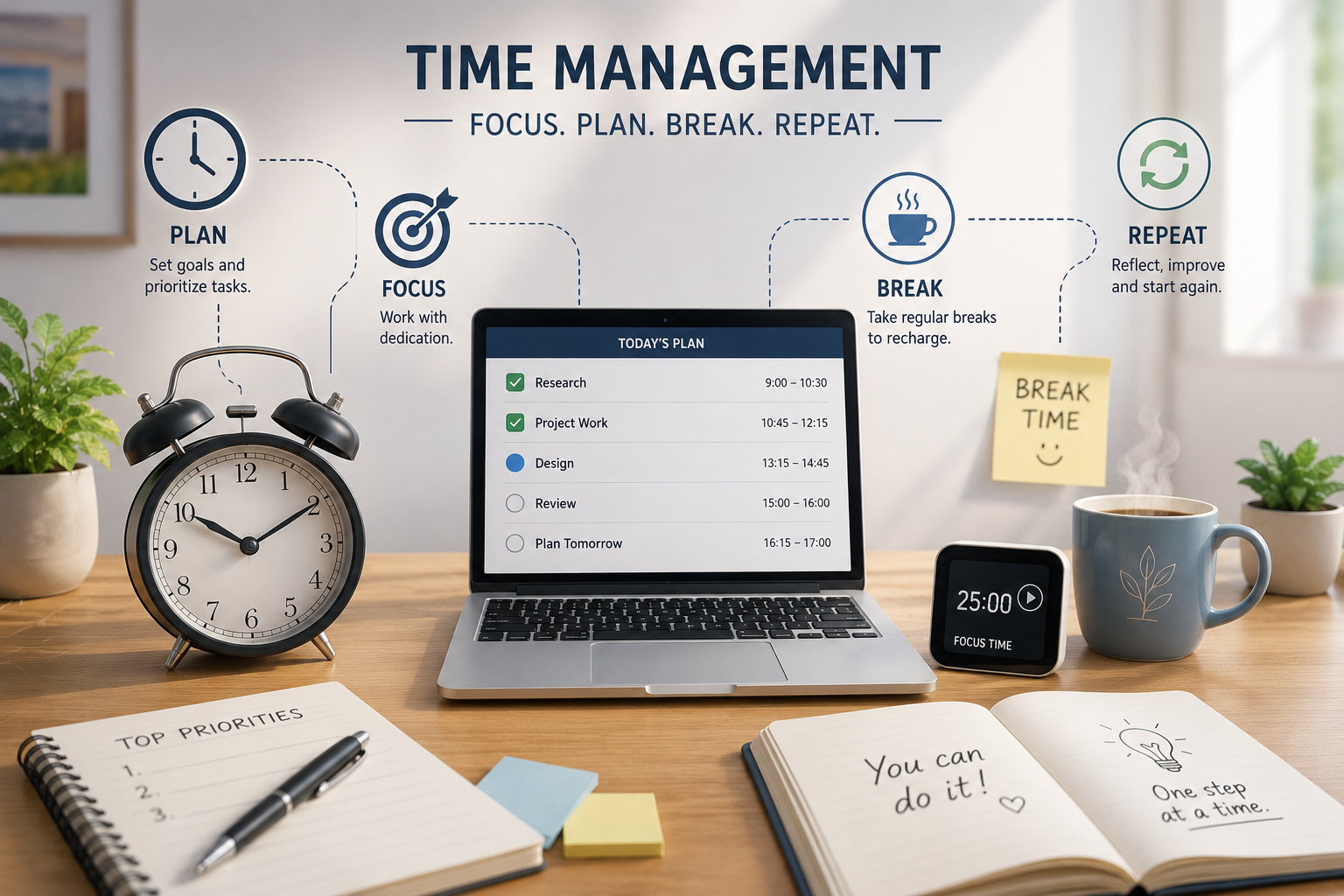
- Focus: Pomodoro timers or apps like Focus To‑Do for maintaining Deep Work.
- Async demos: Loom for short recorded walkthroughs.
External reading: For the philosophy and techniques of deep, focused work, Cal Newport’s book is a practical resource: https://www.calnewport.com/books/deep-work/.
Practical 5‑step Plan (English Version)
This 5‑step plan is crafted to fit alongside full‑time work. Each step includes small, actionable tasks you can complete in a week and is oriented toward measurable outcomes.
- Step 1 – Skills Inventory (Week 1): Spend 45 minutes listing strengths, gaps and three measurable goals (e.g., reduce PR review time by 20%). This clarity focuses subsequent effort.
- Step 2 – Create Communication Templates (Week 2): Draft templates for PRs, meeting agendas and weekly summaries. One hour of setup saves time and ensures consistency.
- Step 3 – Deep Work Schedule (Weeks 3–4): Block two 90‑minute focus sessions daily and use DND status. Track completed tasks to quantify productivity gains.
- Step 4 – Publish Asynchronous Work (Week 5): Share a short technical note, recorded demo, or notebook. That single async asset builds reputation without live exposure.
- Step 5 – Find a Mentor or Peer (Week 6): Use Skill Tandem to connect with a mentor for 1–2 reviews of your work and roadmap; short, focused sessions are highly effective.
Conclusion: Keep Your Quiet Strengths — and Make Them Visible
Introversion is an asset in the tech industry when paired with strategies that translate depth into visible outcomes. The key is consistency: regular documentation, targeted async communication and structured learning produce career momentum without forcing extroverted behaviors.
Start with the 5‑step plan and the weekly practices; within a few months you'll notice improved recognition and more opportunities. Your personality is part of your competitive advantage—use it.
Skill Tandem CTA
Skill Tandem is a completely free platform where you can find suitable learning partners and mentors. If you want to practice PR reviews, mock meetings or portfolio reviews in a low‑pressure environment, it's a great place to start. Sign up for free and find a mentor or peer today.
FAQ: Frequently Asked Questions about Introversion in Tech
How can I be noticed for my work without doing a lot of networking?
Focus on consistent written outputs: clear PRs, documentation and weekly summaries. These create a public record of contribution and competence that stakeholders will notice over time.
How long until my async visibility efforts pay off?
If you publish consistent updates and engage in PRs and documentation, expect observable effects within 4–8 weeks. The multiplier is consistency rather than frequency.
Is mentorship helpful if I'm introverted?
Yes. Mentorship provides targeted feedback and a safe space for growth. Choose short, goal‑oriented sessions to reduce social strain and maximize learning.
Can I do pair programming if I prefer solitude?
Yes. Use time‑boxed or recorded pairing, or favor asynchronous code reviews. These provide collaboration benefits while preserving energy.
What daily routine helps introverted engineers perform best?
Two focused work blocks per day, regular short breaks, and a weekly 30–60 minute reflection session to plan and document progress is an effective routine for sustained productivity.

Gute Mischung aus Theorie und konkreten Tricks, die Meeting‑Templates probier ich direkt beim nächsten Sprint.