1. Choose an Engaging Profile Photo
Your profile photo is often the first impression recruiters get of you. A professional and friendly image can be decisive. Avoid selfies or vacation photos. Instead, choose a picture that shows you in a business context, ideally with a neutral background.
A study by LinkedIn shows that profiles with photos are viewed 21 times more often. Make sure your face is clearly visible and you are dressed appropriately. Smiling can also have a positive effect on viewers!
Additionally, it’s helpful to ensure that the photo is in high resolution. A blurry or pixelated image conveys an unprofessional impression. Consider whether you can be photographed in a professional setting to underline the authenticity and seriousness of your profile.
2. Create a Concise Headline
Your headline should contain more than just your job title. Use this space to clearly communicate your core competencies and career goals. Instead of just writing "Software Developer," you could say "Experienced Software Developer Focused on Web Applications and Agile Development.".
A tailored headline helps recruiters categorize you faster and more efficiently. Be sure to include relevant keywords related to your industry or desired job, making it easier for you to be found.
It may also be beneficial to incorporate your values or unique strengths into the headline. For example: “Innovative Software Developer Who Finds Creative Solutions to Complex Problems.” This gives your profile a personal touch and distinguishes you from others.
3. List Detailed Work Experiences
Your work experiences should not merely list the positions you have held. Instead, it is important to highlight achievements and successes in each role. Use active verbs and quantify your successes whenever possible. For example, "Increased revenue by 30% within 6 months by implementing a new sales strategy.".
These details not only make your profile more interesting but also help make your skills and achievements more tangible. Recruiters appreciate concrete examples and results that underpin your experience.
In addition, you can also mention projects you were involved in and the technologies or tools you used. For example: “Led a team to develop an e-commerce platform using React and Node.js, resulting in a 50% increase in revenue.” Such information helps to substantiate your expertise.
4. Add Skills and Recommendations
Skills are a crucial part of your LinkedIn profile. Be sure to include both technical and interpersonal skills. A balanced profile shows that you are not only technically competent but also capable of working well in a team.
Additionally, you should seek recommendations from former colleagues or supervisors. These add credibility and demonstrate that others value your work. A study by Harvard Business Review found that profiles with recommendations are viewed three times more often than those without.
Keep in mind that you should also regularly review and update your skills to ensure they reflect your current abilities and goals. A good way to do this is to take advantage of the skill assessments offered by LinkedIn to validate your knowledge.
5. Be Active in the LinkedIn Community
Recruiters look for active members of the LinkedIn community. Regularly share posts, comment on articles, and actively network with others. By sharing your knowledge and engaging in discussions, you can increase your visibility and position yourself as an expert in your field.
Remember that LinkedIn is also a social platform. Engage with others by sharing or commenting on their posts. This can lead to recruiters perceiving you as an active and engaged candidate.
Another way to engage actively is to create your own content, such as blog posts or videos about current trends in your industry. Sharing expertise can lead to you being perceived as a thought leader, further increasing your chances of being contacted by recruiters.
Practice: Steps to Optimize Your LinkedIn Profile
If you wish to optimize your LinkedIn profile, follow these five steps:
- Update Profile Photo: Choose a professional image and upload it.
- Adjust Headline: Write a concise headline that communicates your core competencies.
- Revise Work Experiences: List your experiences and highlight achievements.
- Add Skills and Recommendations: Include relevant skills and request recommendations.
- Become Active: Share posts and connect with others to increase your visibility.
Common Mistakes in LinkedIn Profile Optimization
When optimizing your LinkedIn profile, there are several common mistakes you should avoid:
- Unprofessional Profile Photo: An image that does not meet business standards can leave a negative impression.
- Missing or Weak Headlines: An unclear or generic headline conveys disinterest and makes it difficult for recruiters to categorize you.
- No Engagement: If you are not active, your profile may be overlooked. Recruiters look for active members.
- Insufficient Information: A profile without detailed information about your experiences and skills appears incomplete.
- No Recommendations: Recommendations enhance credibility. Their absence can make your profile less appealing.
Conclusion: Your LinkedIn Profile as a Key to Your Career
An optimized LinkedIn profile can make the difference when it comes to being noticed by recruiters. By making targeted adjustments, you can not only increase your visibility but also enhance your value as a candidate.
Example from Practice: Successful LinkedIn Profiles
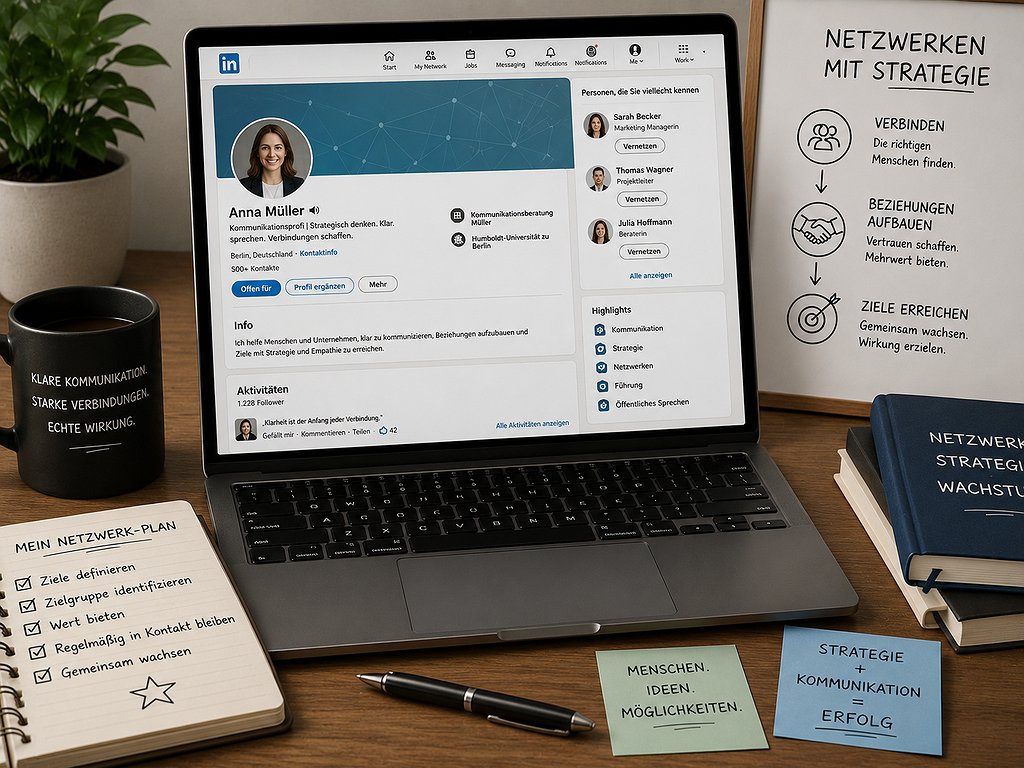
One example of a successful LinkedIn profile is that of Anna Müller, a marketing manager. Anna had her profile photo taken in a professional studio, giving her an authentic and serious appearance. Her headline reads: “Experienced Marketing Manager Specializing in Digital Campaigns and Brand Development,” clearly communicating her core competencies.
In her work experiences, Anna not only highlights her positions but also describes how she improved a company's social media strategy by 40% in her last role. She also obtained recommendations from former colleagues who praise her teamwork and creativity. Her active participation in discussions and sharing of industry articles have led to her being regularly contacted by recruiters.
Checklist for Profile Optimization
Here is a useful checklist to ensure you don’t miss anything when optimizing your LinkedIn profile:
- Have you uploaded a professional profile photo?
- Is your headline clear and concise?
- Have you detailed your work experiences?
- Have you listed both technical and interpersonal skills?
- Have you obtained recommendations from colleagues or supervisors?
- Do you regularly share content and interact with other users?
Advanced Strategies to Increase Visibility
To further increase your visibility on LinkedIn, consider some advanced strategies:
- Join Groups: Engage in LinkedIn groups relevant to your industry. This can help you expand your network and increase your visibility.
- Curate Content: Share not only your own content but also interesting articles and studies from your industry to be perceived as a knowledge source.
- Attend Networking Events: Use LinkedIn to find local networking events and participate in them. This can help you make valuable contacts.
Costs & Effort of Profile Optimization
The costs of optimizing your LinkedIn profile are typically minimal, as most changes can be made yourself. You may want to invest in professional photography for a high-quality profile picture, which can cost between 50 and 200 Euros, depending on the photographer and location. The time needed for optimization can vary, but plan for at least 2-4 hours to revise all aspects of your profile and update it regularly.
FAQ: Frequently Asked Questions about LinkedIn Profile Optimization
How often should I update my LinkedIn profile?
It is advisable to regularly update your LinkedIn profile, especially after significant career changes or achievements. An annual update is a good starting point.
Is a LinkedIn profile really important for job searching?
Yes, a LinkedIn profile is crucial as many recruiters and companies use LinkedIn as the first point of contact for candidate searches.
How can I increase my visibility on LinkedIn?
By regularly sharing posts, actively commenting, and networking, you can significantly increase your visibility.
What should I avoid in my headline?
Avoid using only your job title or generic terms. Be specific and show your core competencies.
Should I have my profile in English or German?
This depends on your target audience. If you want to work internationally, an English profile makes sense. In Germany, a German profile may be more effective.


Würde mich interessieren, ob es für die Aussagen auch wissenschaftliche Belege gibt.