
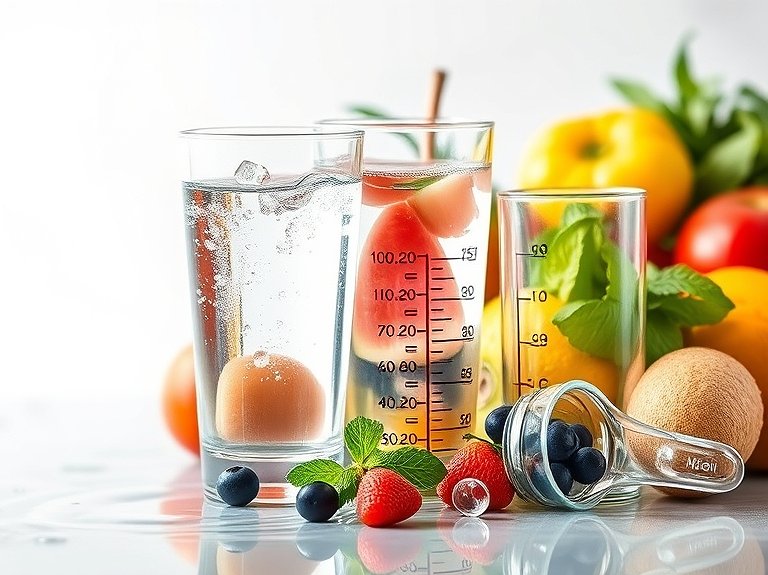
The Myth of 8 Glasses of Water a Day
The recommendation to drink eight glasses of water a day is widespread and often presented as a one-size-fits-all rule. Many people take this seriously and try to adhere to this guideline. But is this belief actually based on science? In this article, we will debunk this myth and explore the scientific background.
In short: The belief that everyone must drink eight glasses of water every day is a myth. The actual amount of water you need depends on individual factors like body weight, activity level, and climate.
1. Where Does the Myth Come From?
The origin of the recommendation to drink eight glasses of water daily is not precisely traceable. One of the most common sources is a study from the 1940s, which concluded that an average adult requires about 2.5 liters of fluids per day. However, this figure was often misunderstood and oversimplified as “eight glasses.”
Another factor is the propagation of this recommendation by health organizations and media, which further reinforced the myth. Many people are unaware that the amount of water needed varies greatly depending on several factors and that not all water intake needs to come from beverages.
2. What Does Science Say?
Scientific studies show that the hydration of the body is much more complex than the simple rule of eight glasses might suggest. According to a study published in the American Journal of Clinical Nutrition, there is no one-size-fits-all recommendation for water intake, as individual needs vary significantly.
The National Academies of Sciences, Engineering, and Medicine have stated that the recommended water intake for men is about 3.7 liters and for women about 2.7 liters per day. However, these amounts also include the fluids obtained from food. A large part of the necessary fluid comes from fruits, vegetables, and other foods.
3. Factors Influencing Water Needs
Several factors influence an individual's water needs. Here are some of the most important:
- Body Weight: Heavier individuals generally require more water.
- Activity Level: Athletes and those who are physically active have higher fluid needs.
- Climate: In hot and humid climates, water needs are higher.
- Diet: A diet high in salt or protein can increase water needs.
- Health Status: Certain illnesses or conditions, such as fever or vomiting, can increase fluid needs.
4. Signs of Dehydration
It's important to know how to recognize dehydration so you can act promptly. Here are some signs:
- Thirst: A common and early sign of dehydration.
- Dark Urine: An indication that you need more fluids.
- Fatigue: Dehydration can lead to increased fatigue.
- Dizziness: Another common symptom that may indicate dehydration.
5. Tips for Adequate Fluid Intake
Here are some practical tips to ensure you're getting enough fluids:
Practice: Staying Hydrated
To ensure you are getting enough fluids, you can follow these steps:
- Drink Regularly: Instead of waiting until you're thirsty, drink water regularly throughout the day.
- Snack on Water-Rich Foods: Incorporate fruits and vegetables into your diet to increase fluid intake.
- Use Reminder Apps: There are many apps that can remind you to drink water regularly.
- Drink Before, During, and After Exercise: Be sure to consume enough fluids, especially during physical activity.
- Personalize Your Water Intake: Consider personal factors such as weight, activity level, and climate.
Common Mistakes in Fluid Intake
Many people make mistakes when it comes to drinking water that can lead to dehydration or overhydration. Here are some common mistakes:
- Drinking too little: Often, people ignore their thirst or do not drink enough, especially during exercise or on hot days.
- Only drinking water: Some people believe that only water counts and ignore fluids from foods and other beverages.
- Excessive drinking: Some people drink excessively out of fear of dehydration, which can lead to water intoxication.
Advanced Hydration Strategies
For those looking to optimize their hydration, there are some advanced strategies:
- Adding Electrolytes: During intense workouts or in hot climates, taking in electrolytes can help meet fluid needs.
- Using Hydration Trackers: There are specialized devices and apps that track your fluid intake and help you reach your personal goals.
- Creating Hydration Plans: Create an individualized hydration plan based on your daily activity level and needs.
Real-World Example
A practical example of individualizing water intake is the case of Anna, a 30-year-old marathon runner. Anna weighs 65 kg and trains regularly. On training days, she drinks about 3 liters of water, but on rest days, she only consumes about 2 liters. In addition, she incorporates water-rich foods like cucumbers and melons into her diet to support her hydration. Before competitions, she strategically increases her fluid intake with electrolyte solutions to ensure she is optimally hydrated.
Checklist for Optimal Hydration
Here is a practical checklist that can help you monitor your fluid intake:
- Check your urine color daily – it should be light yellow.
- Drink a glass of water with every snack or meal.
- Set reminders to drink water regularly.
- Incorporate water-rich foods into your diet.
- Pay attention to your activity levels and adjust your fluid intake accordingly.
Costs & Effort
The costs and effort associated with adequate fluid intake are generally low. Water is inexpensive or even free in most regions. However, the effort may vary depending on the methods you use to monitor your hydration. There are paid apps for tracking water intake, but many free alternatives exist. Additionally, investing in a reusable water bottle can make it easier to meet your daily water needs.
Conclusion: The Truth About Water Intake
The idea that everyone must drink eight glasses of water a day is a myth that is not based on scientific facts. Every person has individual needs that depend on various factors. It is important to listen to your body's signals and consume enough fluids to stay healthy.
A critical understanding of such myths is essential for lifelong learning and personal health. Instead of blindly following recommendations, everyone should find out what works best for them.
FAQ: Frequently Asked Questions about Water Intake
How much water should I drink daily?
The amount of water you should drink daily varies based on individual factors such as body weight, activity level, and climate. A general recommendation is about 2.7 liters for women and 3.7 liters for men, including fluids obtained from food.
Is it harmful to drink too much water?
Yes, excessive water intake can lead to water intoxication, which can be dangerous. It's important to listen to your body's signals and not to drink excessively.
Can I meet my water needs with other beverages?
Yes, in addition to water, you can consume other beverages like tea, coffee, or fruit juices. Water-rich foods like fruits and vegetables also contribute to fluid intake.
How can I tell if I'm dehydrated?
Signs of dehydration include thirst, dark urine, fatigue, and dizziness. If you notice any of these symptoms, you should increase your fluid intake.
What are the best foods to promote hydration?
Foods with high water content, such as watermelon, cucumbers, and oranges, are excellent options to support your fluid intake.
Advanced Hydration Techniques
For those looking to elevate their hydration to a new level, some advanced techniques can be beneficial:
- Hydration through Infusion: Many people are discovering the benefits of infused water, which is water flavored with fruits, herbs, or vegetables. This method not only makes drinking more enjoyable but can also deliver additional nutrients. For example, infusing water with lemon or cucumber slices can enhance flavor and support hydration.
- Using Hydration Powders: There are special powders that you can mix into water to support hydration. These often contain electrolytes and vitamins that help regulate fluid balance, especially after exercise or in hot weather.
- Monitoring Hydration through Biofeedback: Some fitness technologies offer the ability to monitor hydration status in real time. These devices measure parameters like skin moisture or sweat rate and provide feedback on whether you are adequately hydrated.
Developing Long-Term Hydration Habits
To ensure that you stay adequately hydrated in the long term, it is helpful to develop certain habits:
- Prioritize Water as Your Main Beverage: Make sure that water is your primary drink, and try to avoid sugary drinks or excessive caffeine consumption.
- Water in Social Situations: When dining out or spending time with friends, opt for water instead of soda or alcoholic beverages. This can not only improve your hydration but also save you money.
- Set Daily Water Goals: Set daily targets for how much water you want to drink to motivate yourself and track your progress.
Comparison with Alternatives
There are many alternative methods for maintaining a healthy fluid balance that should be considered:
- Teas and Herbal Teas: These are not only hydrating but also provide health benefits. For instance, green tea contains antioxidants that can boost the immune system.
- Fruit Juices in Moderation: 100% fruit juices can be a good source of vitamins but should be consumed in moderation due to their sugar content.
- Vegetable Broths: These are particularly nutritious and can be a tasty way to increase fluid intake while providing minerals and nutrients.


Der Artikel ist echt klar und gut strukturiert, hat mir echt geholfen das Thema besser zu verstehen!