
How to Best Learn a Language? The Most Effective Ways to Learn Quickly
Learning a new language is one of the most rewarding goals imaginable – it opens doors, builds connections, and broadens your horizons. But many wonder: How do you truly learn a language effectively? With the right mix of technique, routine, and practice, anyone can learn a language successfully and faster than they might think.
Many people today combine learning methods, apps, and real conversations with native speakers. A popular way to do this is through platforms like Skill Tandem, where you can easily find language partners.
1. Consistency Over Intensity: Why “Little and Often” Wins
The biggest secret to language learning isn't talent, but consistency. Short daily sessions – 10 to 20 minutes – are scientifically proven to be more effective than infrequent, long study sessions.
- Better long-term memory retention
- Less overwhelm
- Quick successes through daily repetition
The brain loves repetition in small steps – this leads to sustainable progress.
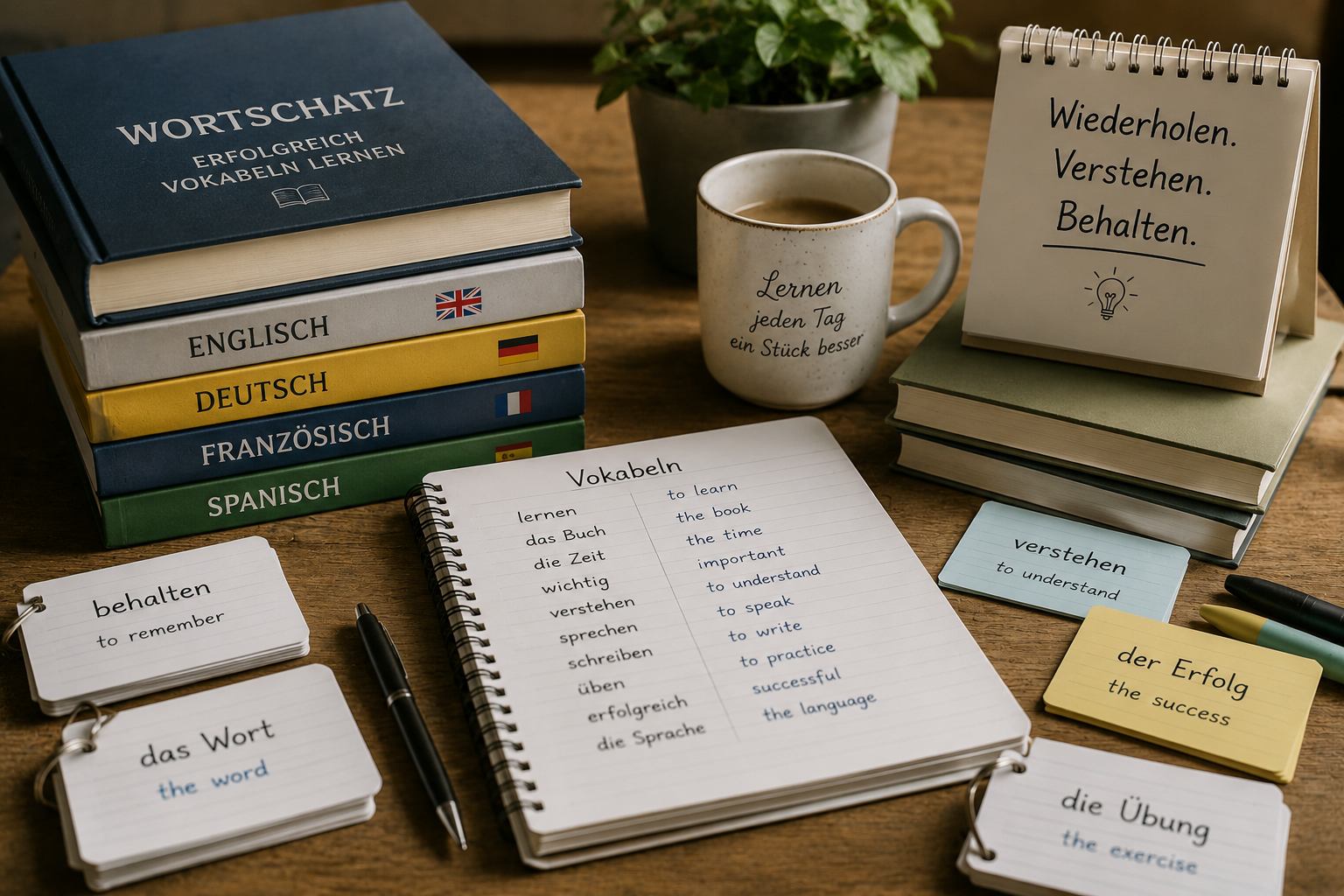
2. Spaced Repetition: The Turbo for Your Vocabulary
A language thrives on vocabulary. But simply memorizing words rarely works long-term. This is where the Spaced Repetition method comes into play.
With this method, you review words at precisely calculated intervals. Your brain stores them more deeply as a result – without hours of cramming.
Practical Use:
- Anki
- Quizlet
- Apps with intelligent repetition systems
3. Language Practice: The Strongest Learning Factor of All
Truly mastering a language doesn't mean knowing hundreds of vocabulary words, but being able to use them. Speaking is therefore the fastest and most effective learning method.
- You learn natural expressions instead of textbook sentences
- You automatically improve pronunciation and rhythm
- You overcome the inhibition of making mistakes
Even short conversations – 5 to 10 minutes daily – can lead to enormous progress.
4. Input, Input, Input: Absorb Language Like a Sponge
If you listen and read a lot in a language, your brain automatically begins to recognize structures. This is called “native input” – one of the most powerful learning strategies.
Recommended Sources:
- Podcasts & audiobooks
- Series with subtitles
- YouTube channels on your interests
- Articles, blogs, or simple books
Important: Don't try to understand everything! It's enough to generally follow along. The rest happens in the background.
5. Learn in Context, Not in Isolation
Learning words in a sentence is up to 70% more effective than memorizing them alone.
Example: Instead of “bottle = Flasche,” better: “Can you pass me the bottle, please?”
Your brain loves connections – and stores them much longer.
6. Write Short Texts – Actively Instead of Just Passively
Writing is an underestimated learning tool. It forces you to consciously choose words and actively apply grammar.
Start small:
- Daily summary in 3 sentences
- A message to yourself
- Mini-dialogues
After just a few days, you'll notice how much clearer you can think and formulate.
7. Learn Grammar Smartly – Don't Overdo It
Grammar is important, but it shouldn't be your main focus. The goal is intelligibility, not perfection.
Initially focus on:
- Common tenses
- Forming questions
- Word order
- Typical expressions
The nuances will come through repetition and real language use.
8. Motivation & Mindset: The Underestimated Success Factor
Language learning is not just about technique, but also psychology. Those who stay motivated learn faster – without any magic formula.
What helps?
- Set mini-goals (“20 new words this week”)
- Celebrate progress – even small ones
- See mistakes as learning opportunities
- Combine learning with fun
And most importantly: Don't compare yourself to others. Every language journey is personal.
Conclusion: The Best Method is a Combination of Input, Practice, and Repetition
You learn a language best when you use many sensory channels, practice regularly, and use the language as often as possible.
The most effective pillars are:
- Consistency
- Spaced repetition for vocab



Das mit der Regelmäßigkeit kenn ich! Würde mich interessieren ob das auch bei sehr komplexen Sprachen wie Chinesisch so gut klappt.
{"reply", "Hallo A. Fischer, ja, die Regelmäßigkeit ist echt der Schlüssel! Ich glaub schon, dass das auch bei komplexeren Sprachen klappen kann, vielleicht sogar besser, weil man da so viele kleine Schritte macht. 🤔"}