
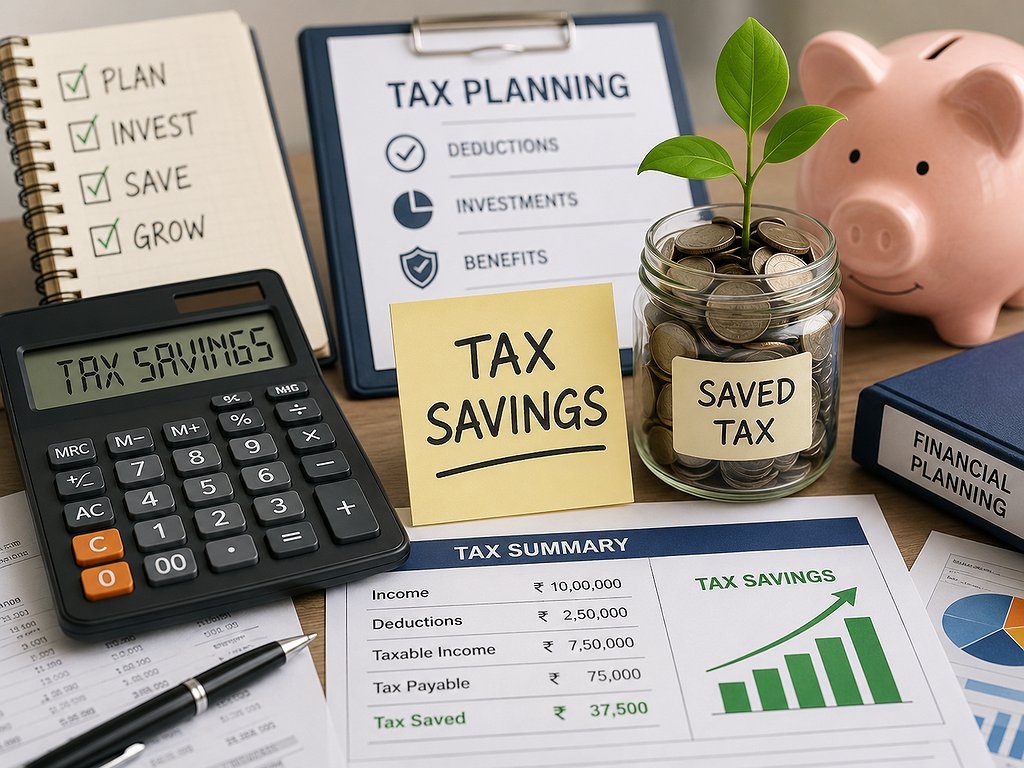
Introduction: Making Tax Savings Easy
As an employee in Austria, the tax burden can be significant. However, there are numerous ways to reduce your tax liability. In this article, we will show you effective strategies and tips to save taxes as an employee in Austria.
In short: You can save taxes as an employee in Austria by making optimal use of tax deductions and strategically planning your expenses. In this article, you will learn about the deductions available to you and how to apply them correctly.
1. Understanding Tax Deductions
To successfully save on taxes, it’s essential to know the various tax deductions. These deductions reduce your taxable income and thus the amount of tax you owe. Here are the most important deductions for employees in Austria:
- Work-related expenses: Costs incurred in connection with your job can be deducted. This includes travel costs, professional literature, and work materials.
- Special expenses: This includes expenses for insurance or donations to charitable organizations.
- Extraordinary burdens: Certain life situations, such as illness or care needs, allow for deductions.
- Family bonus: This tax deduction is available to families with children and can significantly reduce tax liability.
2. Making the Most of Work-related Expenses
Work-related expenses are a crucial part of your tax return. These costs can be deducted from your income, lowering your tax liability. Here are some common work-related expenses you can claim:
- Travel costs: If you drive to work, you can claim the mileage allowance. This is €0.30 per kilometer for the first 20 km and €0.35 for each additional kilometer.
- Work materials: Costs for office supplies, computers, or specialized work clothing can also be deducted.
- Training costs: Costs for professional development or seminars that are job-related are also deductible.
- Home office costs: If you work from home, you can deduct a portion of your rent or the costs of your home office.
3. Taking Advantage of Special Expenses
Special expenses are costs not directly related to your job but still tax-deductible. Here are some examples:
- Retirement contributions: Contributions to certain insurances, such as life or disability insurance, can be deducted.
- Donations: Donations to charitable organizations are tax-deductible. You must keep the appropriate receipts.
- Education costs: Education costs that aren’t necessarily job-related can also be deducted.
4. Claiming Extraordinary Burdens
Extraordinary burdens are those that arise from unavoidable circumstances and exceed your economic capacity. Examples include:
- Medical expenses: Costs arising from illness, such as medications or therapies, can be deducted.
- Care costs: Costs for the care of relatives or personal care can also be considered tax-deductible.
- Disability: If you or a dependent has a disability, you can claim additional deductions.
5. The Family Bonus and Child Tax Credit
Families with children can benefit from various tax advantages. The family bonus amounts to up to €1,500 per child per year. Additionally, there is the child tax credit available. Here are the details:
- Family bonus: This is deducted directly from your taxes and can be claimed for each child up to the age of 18.
- Child tax credit: This amounts to €58.40 per month for each child.
- Additional childcare costs: Costs for the care of children can also be tax-deductible.
6. Filing Your Tax Return Correctly
To take full advantage of tax savings, it’s important to file your tax return accurately and on time. Here are some tips:
- Meet deadlines: The tax return for the previous year must be submitted by April 30 of the following year.
- Collect receipts: Keep all receipts and documentation for work-related expenses, special expenses, and extraordinary burdens.
- Use tax software: There are various programs and online tools that can assist you in preparing your tax return.
- Seek advice: If in doubt, it can be helpful to consult a tax advisor.
Practice: Step-by-Step Guide to Tax Savings
Follow these steps to effectively reduce your tax burden:
- Step 1: Educate yourself about the various deductions available to you.
- Step 2: Gather all relevant receipts and documentation for work-related expenses and special expenses.
- Step 3: Calculate your potential deductions and apply them in your tax return.
- Step 4: Submit your tax return on time.
- Step 5: Consider seeking assistance from a tax advisor if needed.
Conclusion: Saving Taxes as an Employee in Austria
As an employee in Austria, there are numerous ways to lower your tax burden. By understanding work-related expenses, special expenses, and extraordinary burdens, you can significantly improve your financial situation. Use the tips and strategies mentioned above to save on taxes and enhance your financial freedom.
Skill Tandem (skilltandem.app) is a completely free platform where you can find a suitable learning partner or mentor to assist you in building wealth. Sign up for free.
FAQ: Frequently Asked Questions about Tax Savings in Austria
What are work-related expenses?
Work-related expenses are costs associated with your professional activity. These costs can be deducted from your taxable income, reducing your tax liability.
How long does it take to process my tax return?
The processing time for tax returns can vary by tax office, but it usually takes several weeks to months.
Can I also save taxes for working from home?
Yes, if you work from home, you can deduct a portion of your rent or the costs of your home office.
What is the family bonus?
The family bonus is a tax deduction for families with children that amounts to up to €1,500 per child per year and is deducted directly from taxes.
How can I find a tax advisor?
There are various online platforms and directories where you can find a tax advisor. Pay attention to reviews and recommendations to find the right advisor for your needs.




Die Praxistipps sind echt klasse, vor allem die Sache mit den Werbungskosten! 👍