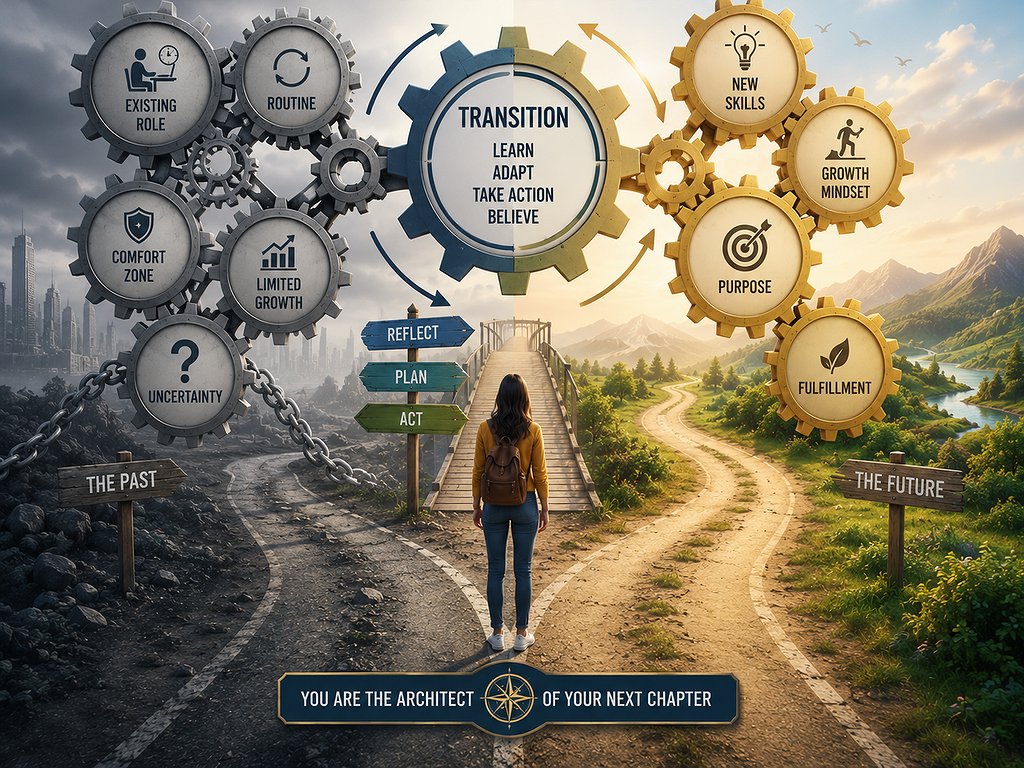
Introduction: The Path to a New Industry
Transitioning to a new industry can be challenging yet exciting. However, many people feel uncertain when it comes to steering their careers in a new direction. With the right strategy and planning, you can successfully navigate this transition.
In short: To successfully transition to a new industry, you need to analyze your skills, build networks, and pursue targeted training. In this article, you'll learn how to proceed step by step to shape your career change and achieve your goals.
1. Self-Assessment: Understand Your Skills and Interests
Before embarking on a transition to a new industry, it's crucial to understand your strengths, weaknesses, and interests. Ask yourself the following questions:
- What skills have I acquired in my current industry?
- What are my greatest successes and challenges?
- What interests do I have that could be relevant in the new industry?
- How do my values align with the new industry?
A thorough self-assessment not only provides clarity about your strengths but also helps you identify relevant areas where you can apply your skills. For instance, if you have worked in sales and want to transition to marketing, your communication skills and understanding of customer needs are valuable assets.
2. Research: Learn About the New Industry
The next step is to gather detailed information about the new industry. Here are some ways to do that:
- Attend industry events and trade shows.
- Talk to professionals and mentors in the new industry.
- Utilize online resources, such as articles, podcasts, and webinars.
- Follow relevant groups and discussions on social media.
By conducting this research, you will gain a deeper understanding of the industry, common challenges, and the qualifications needed. For example, a conversation with a mentor in the tech industry could provide insights into the latest trends and technologies that are critical for your career.
3. Further Education: Qualify for the Transition
To succeed in a new industry, it's often necessary to pursue further education and learn new skills. Consider which qualifications and certifications are in demand in your target industry. Here are some tips:
- Take relevant courses or workshops, both online and offline.
- Obtain certifications that demonstrate your professional suitability.
- Utilize platforms like Coursera or Udemy for online courses.
- Consider internships or trainee programs in the new industry.
By pursuing further education, you can expand your knowledge while also demonstrating your commitment to the new industry. An example would be enrolling in a digital marketing certification program if you're transitioning from a traditional sales role to the digital space.
4. Building a Network: Making Connections
Networking is a crucial factor for success in a new industry. Here are some strategies to expand your network:
- Utilize platforms like LinkedIn to connect with others and optimize your profile.
- Attend networking events and industry meetups.
- Engage in online forums and groups related to your new industry.
- Seek out a mentor who can assist you in your transition.
A strong network can provide valuable information, advice, and potentially job opportunities. Statistics show that up to 80% of jobs are filled through networking and personal connections. Therefore, it's crucial to actively cultivate and expand relationships.
5. Tailoring Application Materials: Optimizing Your First Impression
When you're ready to apply for positions in the new industry, it’s essential to tailor your application materials. Here are some tips:
- Create a resume that highlights your transferable skills.
- Write a customized cover letter explaining your motivation for the transition.
- List relevant continuing education and experiences prominently.
- Avoid overemphasizing your old industry; focus on your new goals.
A targeted adjustment of your materials can help you stand out from other applicants. For example, if you're transitioning to the IT sector, you might restructure your resume to emphasize technical skills and projects you've undertaken in the past.
Practical Steps for the Industry Transition
Now that you understand the basics, here’s a practical step-by-step guide to successfully navigating your transition to a new industry.
- Conduct a self-assessment: Identify your skills and interests.
- Conduct industry research: Learn about the new industry and its requirements.
- Plan further education: Look for courses or certifications that can help.
- Start networking: Connect with professionals in the industry.
- Tailor application materials: Optimize your resume and cover letter.
Common Mistakes When Switching Industries
There are several common mistakes to avoid when transitioning to a new industry:
- Lack of preparation: Many individuals underestimate the effort involved in a career transition. Thorough preparation is crucial.
- Insufficient networking: Networking is often neglected. Most opportunities arise through personal contacts.
- False confidence: Believing that past experience directly translates to the new industry can lead to disappointment. It's important to understand the specific requirements of the new field.
- Rigid expectations: Having overly high expectations regarding salary or position in the new industry can be frustrating. Be prepared to start from the ground up.
Advanced Strategies for Industry Transition
Once you have mastered the basics, consider advanced strategies:
- Build a personal brand: Develop a strong personal brand that reflects your expertise and passion for the new industry. This can be done through blogging, social media, or public speaking.
- Volunteer or project work: Engage in volunteer projects or work on personal projects that provide relevant experience in the new industry.
- Optimize online presence: Enhance your online presence by sharing content relevant to the new industry and positioning yourself as an expert.
Case Study
An example of a successful industry transition is Anna, who switched from ten years in retail to the IT industry. She started with a self-assessment, recognized her strengths in customer communication and problem-solving, and then took online courses in programming and networking. By attending targeted networking events and seeking a mentor in the tech sector, she successfully took her first steps into the new industry. Today, she works as a junior developer and is proud to combine her passion for technology with her experience in customer service.
Conclusion: Your Successful Industry Transition
The transition to a new industry requires planning, commitment, and a willingness to learn. By analyzing your skills, pursuing further education, and expanding your network, you can successfully navigate the transition. Skill Tandem (skilltandem.app) provides a platform to find suitable learning partners or mentors who can support you during your career change. Sign up for free
FAQ: Frequently Asked Questions about Industry Transitions
How long does it take to transition to a new industry?
The duration of an industry transition varies by individual and industry. Generally, it can take anywhere from a few months to several years, depending on the necessary qualifications and networking.
What are the common challenges when switching industries?
Common challenges include a lack of experience in the new industry, uncertainties in applications, and building a network. Good preparation can help overcome these hurdles.
How do I find a mentor in my new industry?
You can find mentors through networking events, social media, or dedicated mentoring platforms. Actively seeking connections and clearly communicating your interest in mentorship is helpful.
What are transferable skills?
Transferable skills are abilities that can be applied across different jobs and industries, such as teamwork, communication, and project management.
How can I improve my application materials for the industry transition?
Emphasize your transferable skills, tailor your cover letter, and highlight your motivation for the transition. Relevant continuing education should also be prominently featured.



Der Artikel hat mir echt die Augen geöffnet, besonders die Selbstanalyse hat mir geholfen, meine Stärken klarer zu sehen.