
Introduction: What Skills Do You Need in the AI Era?
In short: To be successful in the AI era by 2026, you need technological competencies, critical thinking, and creative problem-solving skills. In this article, you will discover the specific skills that will help you thrive in a rapidly changing work environment.
1. Technological Competencies Are Essential
The advancing automation and digitalization require a solid understanding of technological systems. A foundational knowledge of programming, data analysis, and AI is no longer optional but a necessity.
Here are some key technologies you should master:
- Programming: Knowledge of languages such as Python, R, or JavaScript is vital for developing and implementing AI systems. In a Stack Overflow survey, 80% of developers reported that Python is their preferred language for AI applications.
- Data Analysis: Understanding how to collect, analyze, and interpret data is crucial for data-driven decision-making. According to an IBM study, more than 2.7 million new jobs in data analysis will emerge by 2025.
- Machine Learning: Basic knowledge of machine learning and the algorithms behind AI systems is beneficial. Online courses like Andrew Ng's "Machine Learning" on Coursera provide an excellent introduction.
- Cloud Computing: Experience with cloud services like AWS or Azure is important for implementing and scaling AI applications. According to Gartner, the cloud market is expected to grow by 21% annually by 2026.
2. Critical Thinking and Problem-Solving Skills
In a world where AI takes over many routine tasks, critical thinking and creative problem-solving skills are becoming increasingly valuable. You need to be able to analyze complex problems and develop innovative solutions.
Here are some skills you should develop:
- Creativity: Be prepared to find unconventional solutions and develop new approaches. An Adobe study shows that 75% of respondents believe creativity is important for business success.
- Analytical Skills: Ability to interpret data and make informed decisions. Advanced knowledge of analytical tools like Tableau or Power BI can be helpful.
- Interdisciplinary Thinking: The ability to combine knowledge from different fields to find more comprehensive solutions. Successful interdisciplinary projects, such as developing smart cities, combine computer science, urban planning, and environmental science.
- Decision-Making: Making quick and efficient decisions, even under uncertainty. Techniques like SWOT analysis can be useful here.
3. Soft Skills for the AI Era
In addition to technical skills, soft skills are also crucial for success in the AI era. Collaborating with AI systems and other humans requires specific interpersonal skills.
Important soft skills include:
- Communication: The ability to explain complex concepts simply and communicate effectively with various stakeholders. Presentation techniques and storytelling are highly valuable in this context.
- Teamwork: Collaborating with others to achieve common goals is essential in interdisciplinary teams. Studies show that teams with high emotional intelligence achieve better results.
- Emotional Intelligence: Understanding and managing one's own and others' emotions to enhance collaboration. The Harvard Business Review highlights that emotional intelligence can be more important than IQ in some professions.
- Adaptability: Flexibility and willingness to adapt to new technologies and work methods. The COVID-19 pandemic demonstrated how crucial it is to adjust quickly to new conditions.
4. Lifelong Learning and Continuous Education
In a rapidly changing world, lifelong learning is essential. You must be willing to continuously acquire new skills and deepen your existing knowledge.
Here are some tips on how to continue your education:
- Online Courses: Use platforms like Coursera or edX for specialized courses. Many of these courses offer certificates that can enhance your resume.
- Networking: Join communities or attend events to learn from others and discover new trends. Platforms like LinkedIn and Meetup are great places to network.
- Books and Podcasts: Stay updated on current developments in AI and technology through literature and podcasts. Podcasts like "Data Skeptic" or "The AI Alignment Podcast" are highly recommended.
- Mentoring: Find a mentor who can assist you in your professional development. Mentoring programs in companies can provide valuable insights.
5. The Importance of Ethics in AI
The development and implementation of AI systems raise ethical questions. It is essential to develop an awareness of the social and ethical implications of AI.
Consider the following points:
- Responsibility: Think about the impacts of your decisions on society. The development of AI should always be in the interest of the common good.
- Transparency: Strive for clear and understandable processes in AI development to build trust. Companies like Google actively promote transparency in their AI development.
- Equality: Ensure that AI systems are fair and unbiased. Discrimination in algorithms is a common issue that needs to be addressed.
- Sustainability: Consider the ecological impacts of AI applications. The development of environmentally friendly algorithms is a growing field.
Common Mistakes When Developing Skills
Many people make mistakes when acquiring new skills that can hinder their progress. Here are some common mistakes and tips on how to avoid them:
- Too Many Goals at Once: Avoid overwhelming yourself with too many topics at once. Instead, focus on one or two key areas you want to concentrate on.
- Lack of Practice: Learning only theory is not enough. Apply your knowledge in practice by working on projects or internships.
- Lack of Reflection: Take time to reflect on your learning process. What worked? What didn't? Making adjustments is important.
- Fear of Making Mistakes: Many people fear making mistakes, which prevents them from trying new things. However, mistakes are part of the learning process and can provide valuable lessons.
- Unrealistic Expectations: Set realistic goals and don't expect to master everything immediately. Skills take time to develop.
Practice: How to Develop the Necessary Skills for 2026
To develop the required skills for the AI era, follow these steps:
- Self-Assessment: Analyze your current skills and identify areas for improvement. Tools like SWOT analysis can help you with this.
- Set Goals: Define clear, achievable goals for your professional development. SMART goals (specific, measurable, achievable, relevant, time-bound) are particularly effective.
- Create a Learning Plan: Develop a structured plan to learn the identified skills. Schedule weekly learning times.
- Utilize Resources: Use online courses, books, and communities to acquire new knowledge. Ensure that you select high-quality resources.
- Apply Knowledge: Implement what you've learned in real projects to gain practical experience. This could be through freelance projects or volunteer work.
- Seek Feedback: Actively seek feedback on your work and progress. This can come from mentors, peers, or through online communities.
- Document Progress: Keep a record of your progress to reflect on your learning journey and make adjustments where necessary.
Conclusion: Prepare for the AI Era!
To be successful in the AI era by 2026, it is crucial to develop technological, critical, and creative skills. Be ready to learn continuously and adapt to new circumstances. This way, you can secure a successful career in a changing work environment.
Skill Tandem (skilltandem.app) is a completely free platform where you can find suitable learning partners or mentors. Sign up for free!
FAQ: Frequently Asked Questions about Skills in the AI Era
What are the most important skills for the future?
The most important skills include technological competencies, critical thinking, creative problem-solving skills, and soft skills like communication and teamwork.
How can I improve my AI knowledge?
You can improve your AI knowledge through online courses, networking, books and podcasts, and by seeking mentorship.
Why are soft skills important in the AI era?
Soft skills are important as they facilitate collaboration with AI systems and other people and are crucial for success in interdisciplinary teams.
How can I find a mentor for AI development?
You can find a mentor through networking, communities, or platforms like Skill Tandem, where you can search for suitable learning partners or mentors.
How important is ethics in AI?
Ethics in AI is important to ensure that AI systems are fair, transparent, and sustainable. Responsible actions in AI development have societal impacts.
Comparison with Alternatives
There are various approaches and platforms for skill development that differ in methodology and offerings. Compared to traditional educational institutions, online learning platforms like Coursera or edX often provide more flexible learning opportunities and access to a wide range of courses tailored to the needs of working professionals.
Another comparison is between self-study and structured learning. While self-study offers freedom, structured learning through courses and mentoring can provide a more targeted and efficient approach to learning specific skills.
Costs & Efforts
The costs of further education can vary significantly. Free resources like YouTube and MOOCs offer a cost-effective way to gain knowledge. In contrast, specialized courses or certificates on platforms like Coursera may cost between 30 and 300 euros. It is important to budget in advance and weigh the costs against potential career opportunities.
Further Tips
Here are some additional tips to further enhance your skills in the AI era:
- Set monthly learning goals to make continuous progress.
- Utilize social media and online communities to network with like-minded individuals and share experiences.
- Stay informed about industry trends by subscribing to relevant blogs and professional journals.
- Consider participating in hackathons or competitions to test your skills in a practical environment.

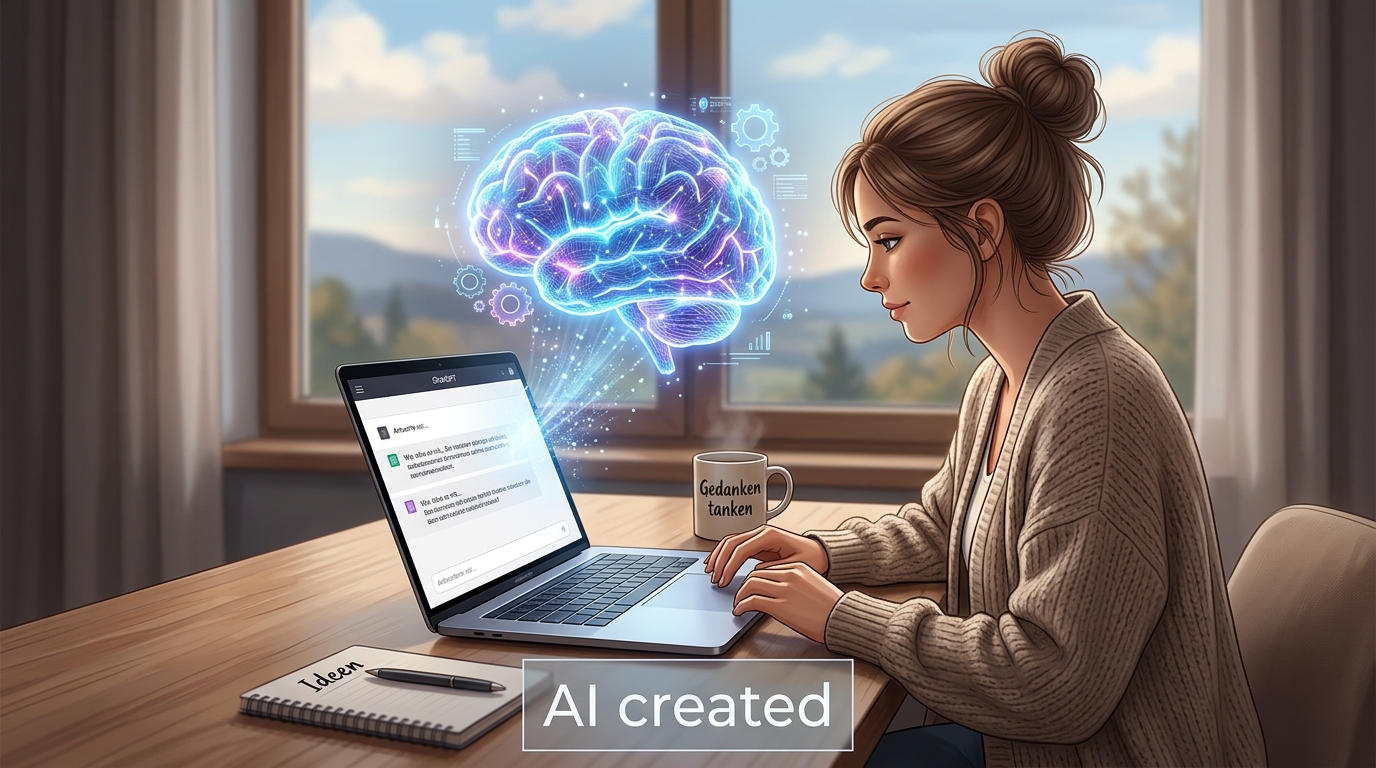


Wenn du mehr über KI lernen willst, schau dir das Buch Künstliche Intelligenz verstehen von Christoph Neuberger an!